Spring Things to Do in Dallas You Shouldn't Miss
From bluebonnets on Winfrey Point to patio season in Bishop Arts, here is where Dallas actually goes once the azaleas open and the wind turns warm.
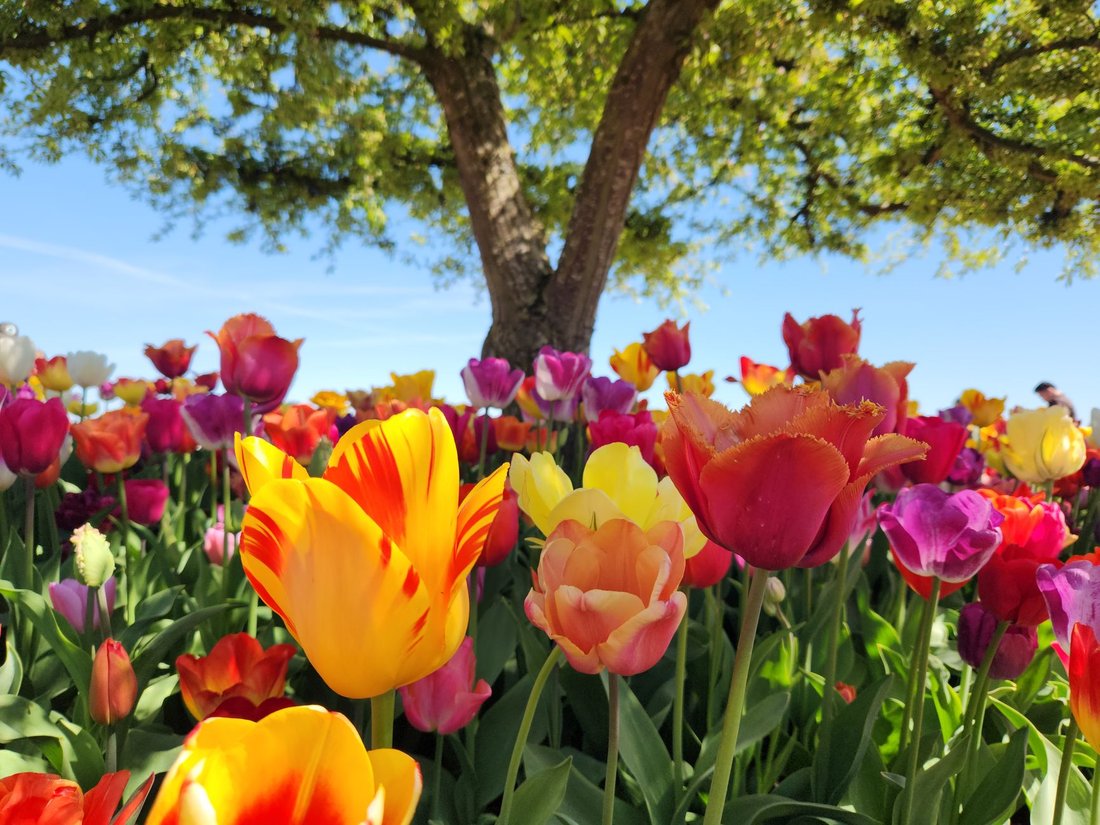
By the second week of March, the crape myrtles along Turtle Creek are still bare branches, but the medians on Central Expressway have already gone blue with bluebonnets, and every patio host in the city is dragging tables back out from wherever they spent the winter. Spring things to do in Dallas run on a compressed clock: six or seven weeks where the azaleas at the Arboretum peak and the dogwoods along White Rock Lake open. The temperature holds in that narrow, generous band between sweater weather and the humid, sweat-through-your-shirt stretch that starts creeping in by Memorial Day. A long spring has never been the city's style. What Dallas does instead is a good, short one, then it gets hot fast, so the people who live here front-load the season with patio dinners and garden walks, squeezing in every outdoor plan they'd been saving up during the gray weeks of January.
This guide covers the real spread of what Dallas does in spring, organized by the kind of day you're building: gardens timed to bloom on a calendar, patios and trails that come back to life, museums and public art that don't need good weather to be worth the trip, and the parks and preserves where the city's wilder side still shows up a few miles from downtown. Every place below is real, and each one is worth building a Saturday around, whether it's a walk from a DART stop or a short drive across town. None of it requires a rental car and a highway loop; a fair amount of it sits within a few blocks of a DART station or the Katy Trail, which surprises people who only know Dallas from the freeway view.
Spring Things to Do in Dallas: Parks and Gardens in Full Bloom
Flat as it is, Dallas doesn't have the topography of Austin or the shoreline of a coastal city, but it has committed hard to its gardens, and spring is when that investment shows. That's the season to see the city's public land doing exactly what it was designed to do, and the four stops below cover most of the range, from formal terraces to a real hiking trail on the edge of the Metroplex.
Dallas Arboretum and Botanical Garden
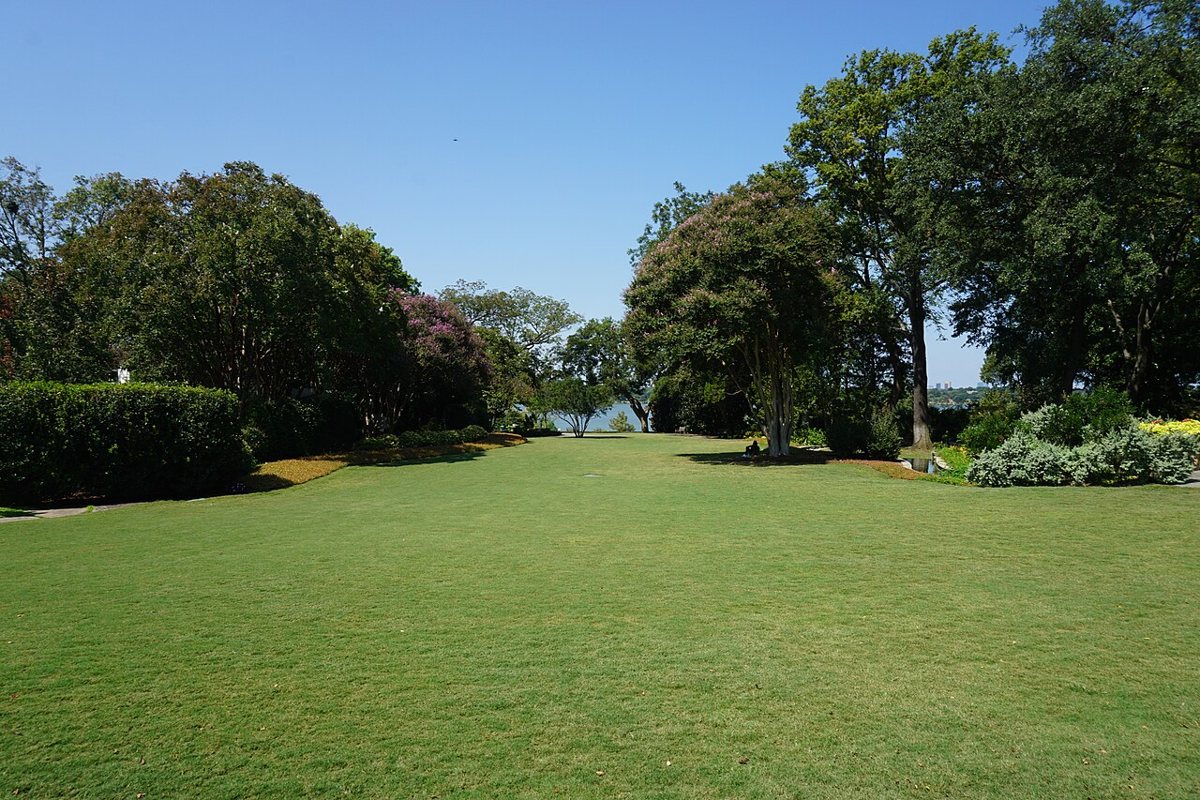
The Arboretum sits on the eastern shore of White Rock Lake, sixty-six acres of formal gardens and terraces stepping down toward lake-view lawns, all of it run as the city's horticultural showpiece. Every spring the grounds stage a bloom festival with hundreds of thousands of tulips, followed by azaleas and wisteria, before the annual bulb display gives way to summer plantings; the exact bloom windows shift year to year with the weather, so check current dates before you plan a trip around a specific flower. What to do once you're there: walk the terraced Woman's Garden down toward the lake, then cut through the pavilion area where seasonal displays rotate. The insider move is arriving right at opening on a weekday. School groups and stroller traffic pick up fast after 10 a.m., and the light on the lake is better in the first hour anyway. It sits in the Lakewood-adjacent part of East Dallas, an easy DART or car trip from downtown. Give yourself at least two hours; the grounds are big enough that a rushed walk-through undersells them, and the lake views from the upper terraces are worth the extra time on their own.

Klyde Warren Park
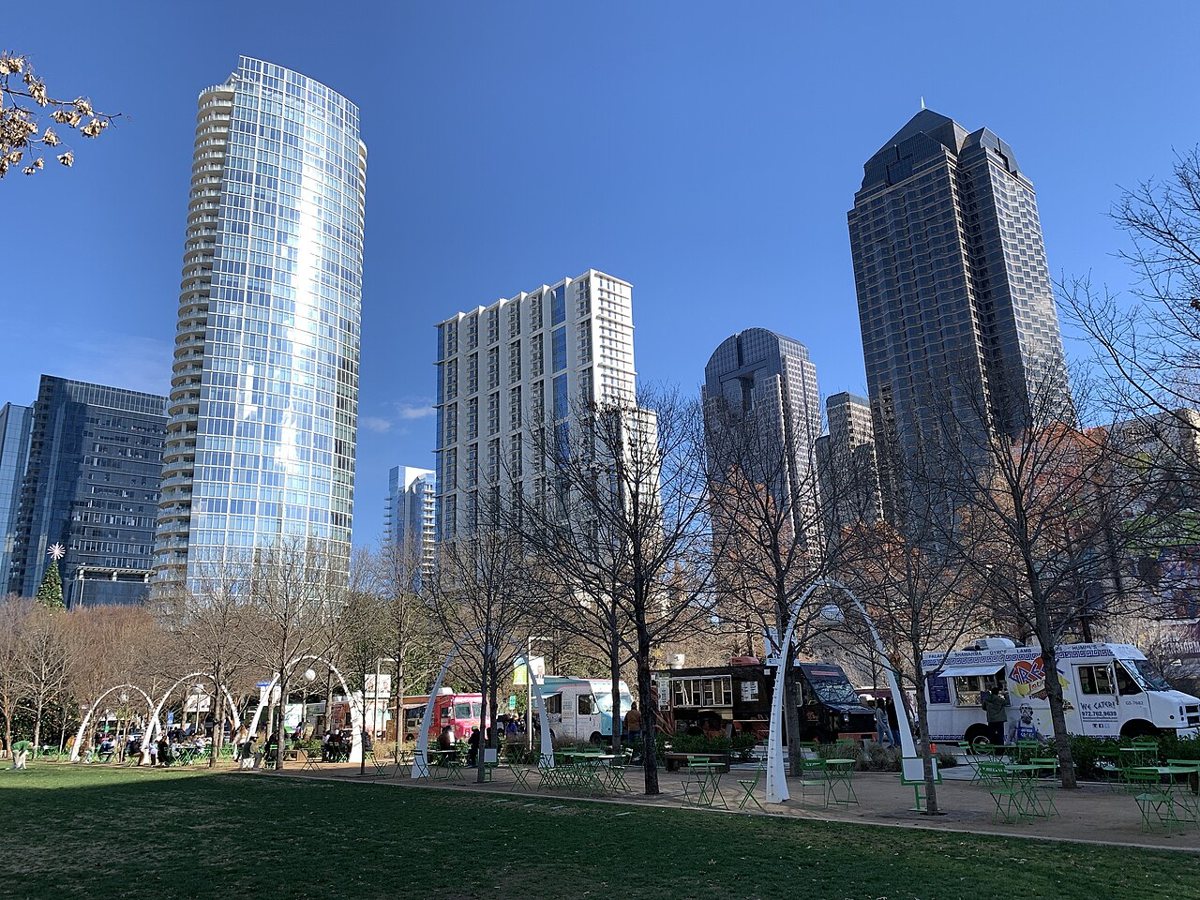
Klyde Warren is the deck park built over Woodall Rodgers Freeway, stitching Uptown to the Arts District with five acres of lawn, a reading room, a children's park, and a rotating slate of food trucks parked along the north edge. It becomes the city's living room once the weather turns. The grass fills with people who spent all winter looking at it through office windows, and there's almost always a game of pickup cornhole or a class doing yoga on the north lawn. The food truck line moves fast enough to grab lunch and still find shade under one of the park's honey locust trees. Bring a blanket and skip the truck line around noon on weekdays if you're in a hurry. Use the park as a hinge point instead: the Dallas Museum of Art and the Nasher sit within a few minutes' walk, with the Perot Museum not much farther. It anchors the edge of the Arts District, walkable from Uptown hotels and reachable by DART's Pearl/Arts District station.

White Rock Lake and Winfrey Point
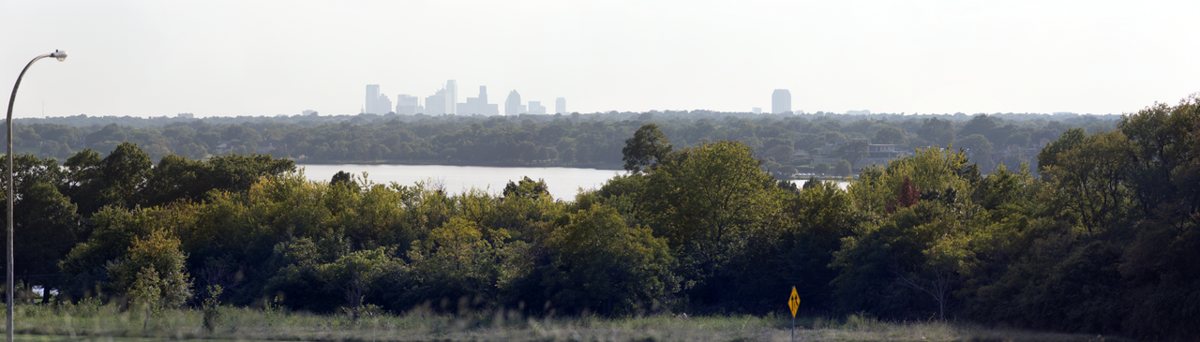
White Rock Lake is a nine-mile loop trail wrapped around a reservoir that somehow still feels like the edge of the city even though it's a fifteen-minute drive from downtown. The eastern shore turns into the most reliable bluebonnet-and-dogwood display in Dallas each spring, and Winfrey Point in particular draws families staking out the hillside for photos against a field of blue. Beyond the wildflowers, the loop itself is where East Dallas goes to run and bike, dogs in tow, once the weather turns. Rent a bike near the Bath House Cultural Center or just walk a mile or two of the trail and turn back. The insider tip is timing: go for bluebonnets on a weekday morning if you want the hillside without fifty other people in your photo, and know the flowers usually peak sometime in April, weather dependent. The lake sits between Lakewood and Casa Linda, both worth a stop for lunch on either side of your walk. Sailboats start showing up on the water again by mid-spring too, and the Bath House Cultural Center's small gallery is worth a look if you need a break from the sun.

Cedar Ridge Preserve
Tucked into the Cedar Hill area of southwest Dallas along the escarpment, Cedar Ridge Preserve is the closest thing the city has to genuine Hill Country terrain, with limestone bluffs and cedar breaks laced by several miles of hiking trails maintained by Audubon Dallas. Wildflower season peaks here in spring, with bluebonnets and Indian paintbrush thick along the rockier trails, plus the occasional prickly pear bloom. It's a real hike, not a stroll through manicured beds, so wear actual shoes. The Cattail Pond loop is the easiest entry point if you want a shorter walk, while the Bluebonnet Trail earns its name honestly in a good year. Reaching it requires a car and a bit of a drive from the city core, but it rewards anyone tired of flat, developed parkland. Go on a weekday morning before the temperature climbs, since the exposed limestone sections hold heat fast once the sun is up.
Patios, Trails and Neighborhoods to Walk
Dallas gets accused of being a drive-everywhere city, and plenty of it is, but a real chunk of the spring social calendar happens on foot or on two wheels, especially in the neighborhoods built before the highways were. Uptown itself, with its McKinney Avenue trolley line and its cluster of patios just off the Katy Trail, is worth folding into any of the four stops below rather than treating as a separate destination.
Katy Trail
The Katy Trail runs along a former rail corridor connecting Uptown to Highland Park and on toward White Rock Lake, and it is the closest thing Dallas has to a car-free spine through the middle of the city. Runners training for fall marathons fill it every spring, alongside families on rented bikes and a steady stream of dog walkers once the wildflowers along the shoulders start coming in. The trail connects directly to several DART stations, so it's entirely possible to ride the train in and cover a few miles on foot or by bike before landing in Knox-Henderson for dinner, all without touching a steering wheel. Weekday mornings and early evenings are the sweet spot; weekend afternoons get crowded enough that it starts to feel more like a parade than a trail.

Bishop Arts District
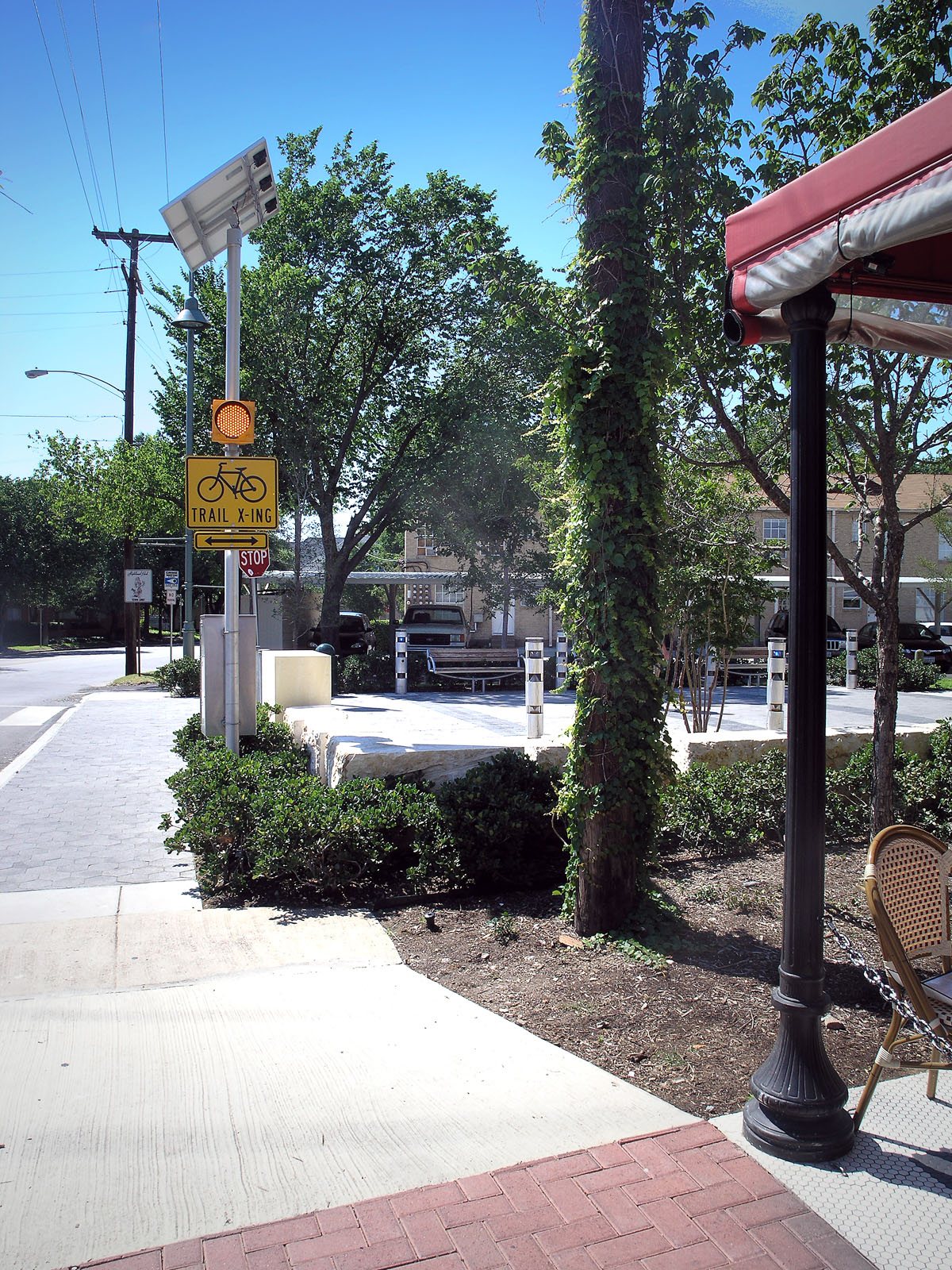
Bishop Arts, on the Oak Cliff side of the Trinity, is a compact grid of restored bungalow storefronts turned into boutiques and galleries, plus some of the most-talked-about restaurants in the city. The patios at the district's coffee shops and taquerias fill in once spring arrives, and string lights come back on at dusk. The streets stay walkable past sundown too, without the summer heat driving everyone indoors by 8 p.m. Park once, near Bishop and Davis, and cover the district on foot; it's small enough to see most of it in an afternoon but dense enough to justify going back. The insider tip is to come on a weekday if you want to actually get a table without a wait, and to walk a block or two off the main strip, where some of the better small businesses sit slightly out of the tourist flow.

Lower Greenville
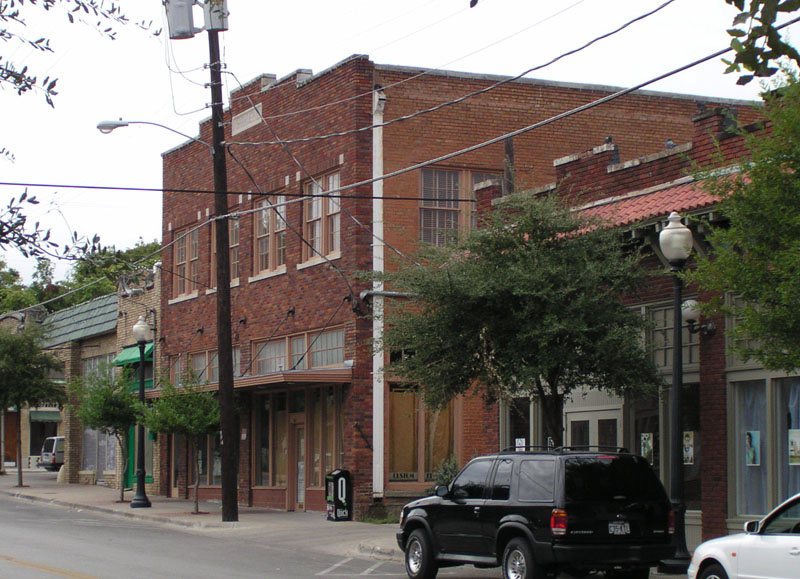
Lower Greenville Avenue, north of downtown in East Dallas, has swung from dive-bar strip to a genuinely good restaurant row over the past decade, and its patios are some of the busiest in the city once the weather cooperates. It works better as an evening spring destination than an afternoon one: dinner on a patio, then a walk down the strip past the older bungalow blocks just off the avenue. Maybe finish with a stop at one of the neighborhood bars that have been there since before the renovation wave. It's walkable from the surrounding residential streets and close enough to the Lower Greenville and Knox DART stops that driving isn't strictly necessary.
Deep Ellum
Deep Ellum, just east of downtown, has been Dallas's live-music and mural district for more than a century in one form or another, and spring is when its patios and rooftop bars start pulling people back after the slower winter months. The murals alone are worth a daytime walk, block after block of painted brick that changes often enough to reward repeat visits, and the district's music venues start ramping up their outdoor and rooftop programming as the weather holds. It's DART-accessible via the Deep Ellum station, which matters, since parking on a Friday night here can be its own adventure. Go early evening for the murals and dinner, and plan to either walk or take DART home if the night runs long. Weekday evenings give you the murals without the show crowds, which is the better trade if photography matters more to you than live music.
Arts and Culture in the Arts District and Beyond
Dallas's Arts District is the largest contiguous arts district in the country, and it does not need good weather to deliver, which makes it a smart anchor for a spring day that might turn windy or catch a stray afternoon storm.
Dallas Museum of Art
The DMA anchors the northern end of the Arts District with a collection spanning ancient to contemporary work, and general admission has been free for years, which makes it one of the easiest, cheapest things to do in the city on a spring afternoon that turns out cloudier than the forecast promised. The museum's outdoor sculpture spaces and courtyard areas turn genuinely pleasant once spring arrives, rather than just tolerable. Pair a visit with lunch at Klyde Warren, a five-minute walk south, and treat the museum as the flexible half of a day that also includes something outdoors. Insider tip: weekday late mornings are quiet, and the museum's free admission means there's no reason to rush a single visit to see everything. Ticketed special exhibitions do carry a separate cost, so check what's showing before assuming the whole trip is free.

Nasher Sculpture Center
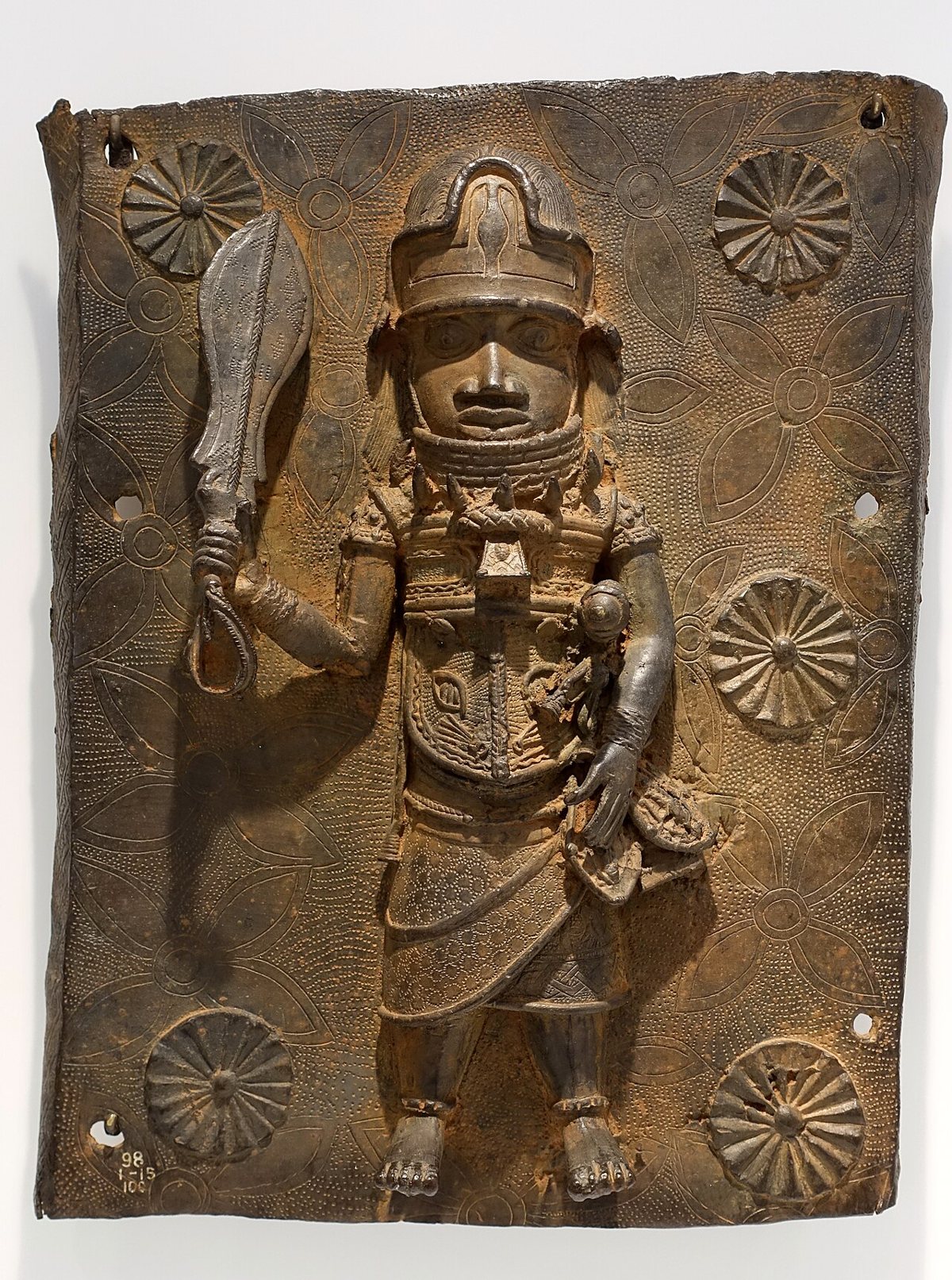
A few blocks from the DMA, the Nasher pairs an indoor collection with a two-acre garden designed specifically to be walked, not just looked at, and spring is when that garden earns its design. The magnolia and crape myrtle plantings frame large-scale sculpture against green lawn in a way that photographs beautifully and, more to the point, is genuinely nice to sit in with a coffee. It's a smaller, calmer stop than the DMA, good for the back half of an Arts District afternoon once the bigger museum starts to feel like a lot.
Fair Park
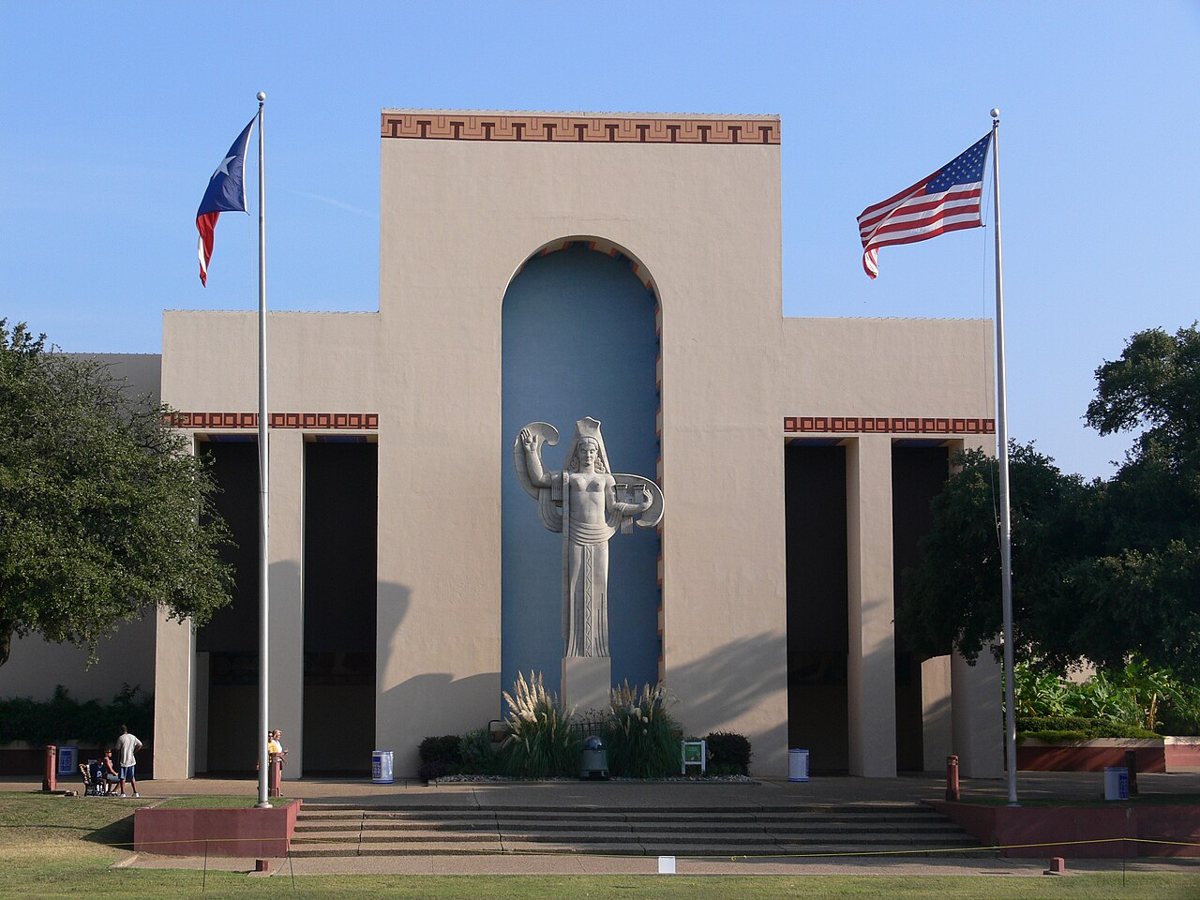
Fair Park, east of downtown, is best known nationally for the State Fair of Texas each fall, but the grounds and their Art Deco architecture are open and worth visiting well before fair season starts. The Texas Discovery Gardens on the property run their own spring plant sales and butterfly house programming, and the park's Band Shell and surrounding lawns host warm-weather events as the season goes on, with specific dates that change year to year, so check current listings before making a trip around any single one. It's a good time to walk the grounds without fair crowds and take in the 1930s architecture, before the gardens give way to summer humidity. The Fair Park DART station puts it within reach without a car, which is worth using since the surface parking lots can be a slog on event days. The Cotton Bowl and the surrounding plazas are worth a slow lap even with nothing scheduled, if only to see the scale of the place without a football crowd filling it in.

Wildlife, Sports and the Outdoors
More wild edge survives here than the skyline suggests, particularly along the Trinity River corridor south of downtown, and spring is the best window to see it before the heat pushes most of the wildlife into hiding until dusk.
Trinity River Audubon Center
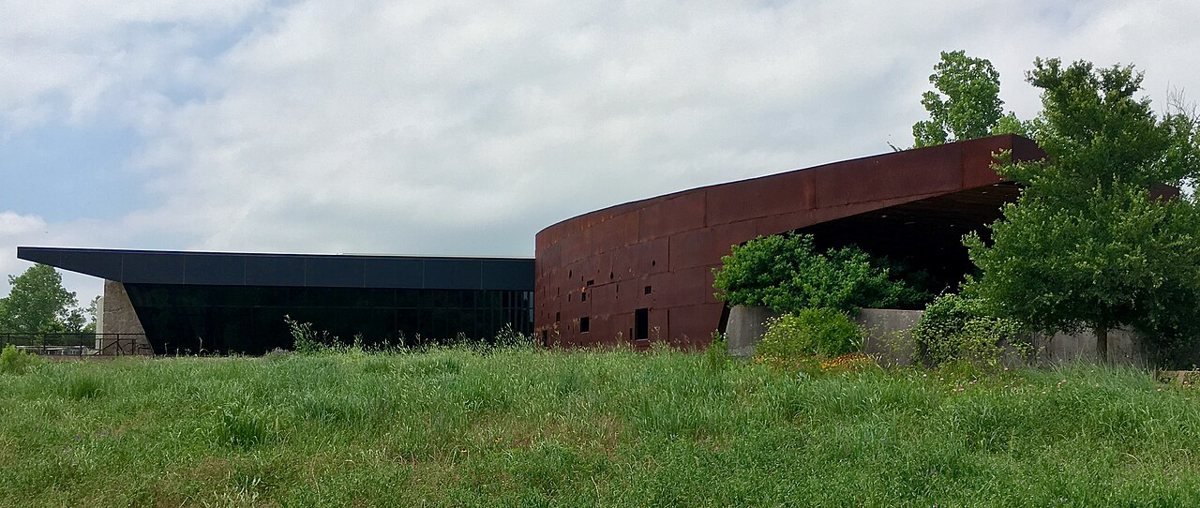
Set inside the Great Trinity Forest, one of the largest urban hardwood forests in the country, the Trinity River Audubon Center sits on what used to be an illegal dump site and has been rehabilitated into wetlands and prairie threaded with forest trails a short drive from downtown. Migration season brings a real diversity of birds through the wetlands each spring, and the center runs guided walks that make the birding approachable even for people who've never picked up binoculars. The trails are flat and easy, good for a morning that doesn't require much gear, and the visitor center itself is a striking piece of sustainable architecture worth a look on its own. Few spots in Dallas proper let you spend an hour and genuinely forget you're in a city of 1.3 million people, and this is one of them. Bring your own binoculars if you have them; the center's are available but limited, and spring migration mornings can draw a bigger crowd of birders than the parking lot suggests.

Dallas Zoo
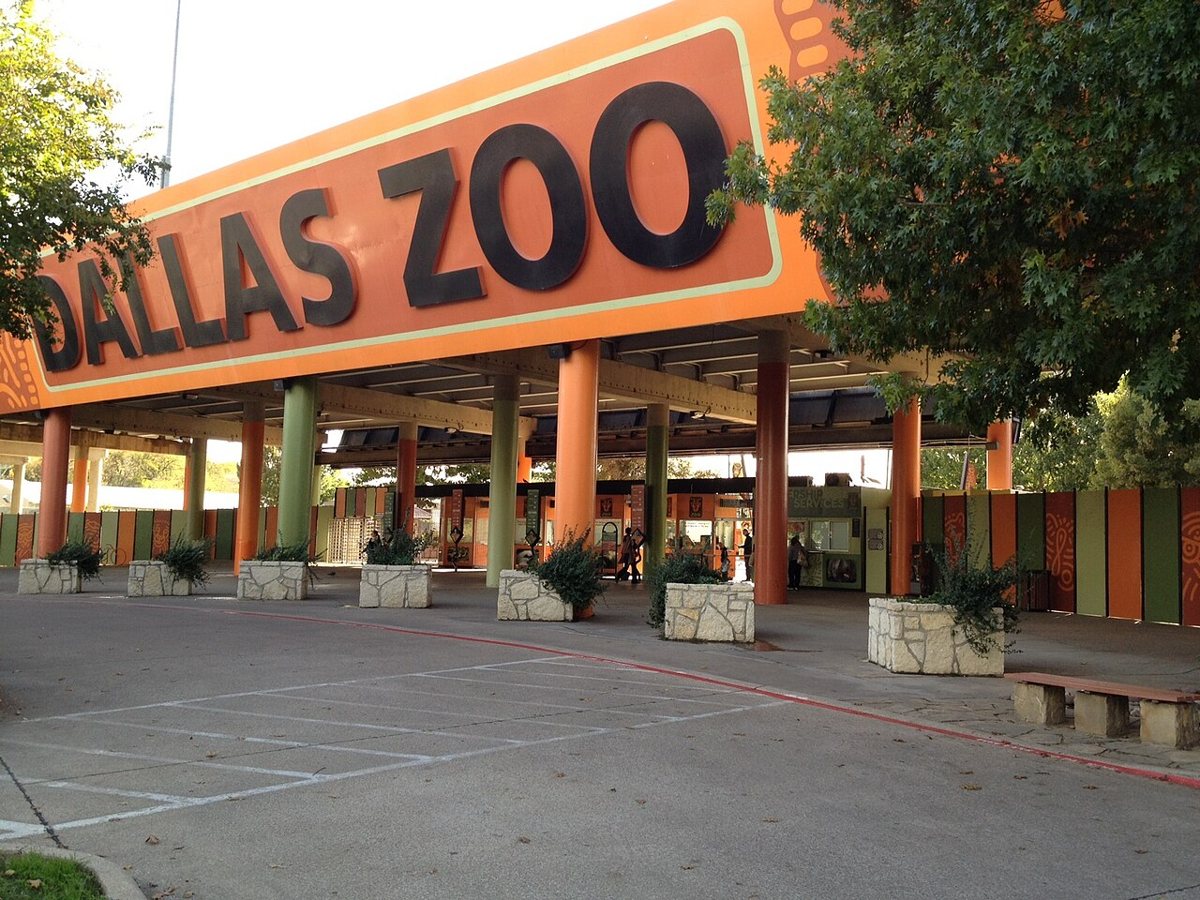
The Dallas Zoo, in Oak Cliff just south of downtown, times a lot of its programming around spring, when milder temperatures mean the animals are more active outdoors and the zoo often has newly born or hatched animals on view across various habitats. The Giants of the Savanna habitat is worth building a visit around, and the zoo's monorail gives a decent overview if you're short on time or have kids who tire out fast. Morning visits pay off twice over, both for the animal activity and for beating the afternoon crowds that build once school groups clear out. It's DART-accessible via the Dallas Zoo station, a rare case of a major attraction sitting essentially on top of a train stop.

Reunion Tower
Reunion Tower's observation deck, the geodesic ball that anchors the western edge of downtown's skyline, is worth timing to a clear spring evening, when the wind that made winter miserable turns into something pleasant and the sunset light on the skyline runs longer than it did a month earlier. It isn't a nature stop, but the height does something no ground-level walk can: it shows how much of the city's spring green cover is really out there, the Trinity River corridor thick with new leaf growth on one side of downtown and the Katy Trail's tree line stitching through the other. Golden hour is the move: go up as the light turns and stay through dusk to see downtown's lights come on. It's walkable from the West End and connected to the greater downtown DART network, so there's no need to drive if you're already in the area.
Practical Notes: Weather, Getting Around and Free Options
Dallas spring weather swings hard and fast. A seventy-eight-degree afternoon can turn into a cold front with hail warnings by dinner, and the wind off the plains is a real factor for anything involving a picnic blanket or an outdoor table setting. Storm season overlaps with peak bloom season more years than not, so it pays to build a backup plan into any outdoor day rather than treating good weather as guaranteed. A few practical points before you build a spring itinerary:
- Layer everything. Mornings can start in the fifties even when the afternoon climbs into the eighties, and a stray cold front can knock thirty degrees off the forecast overnight.
- Check radar before committing to an outdoor plan between March and May. This stretch of Texas sits squarely in the path of sudden spring storms, and patio reservations get canceled fast when one rolls through.
- DART and the Katy Trail cover more of the city than visitors expect. Uptown, the Arts District, Deep Ellum, Fair Park, and the Dallas Zoo are all reachable without a car, which matters if you're stacking multiple stops in one day.
- Free options are everywhere in spring: the DMA's general admission, a walk around Klyde Warren, the Katy Trail, and a bluebonnet stop at White Rock Lake all cost nothing beyond parking or a DART fare.
- Bloom and event dates shift every year with the weather. Treat any specific festival date as a starting point and confirm current schedules before you drive across town for it.
None of this requires treating Dallas like a stopover on the way to somewhere else. The gardens are real and the patios are good. The trail system alone reaches more of the city than most visitors, or plenty of longtime residents, ever bother to use. Spring is short here, shorter than it feels like it should be for a city this size, and the people who get the most out of it are the ones who stop waiting for a free weekend and just go. For a deeper look at the patios worth building a whole evening around, or a broader sense of where the seasons take the city next, see our guide to what Dallas does once summer sets in. See the tulips before they're gone. They never last as long as anyone plans for.