Things to Do in Dallas You Shouldn't Miss
From the Nasher's open-air sculptures to a plate of breakfast tacos in Oak Cliff, Dallas rewards the curious traveler in ways most cities only promise.
On a Tuesday morning in the Arts District, a woman sets up a folding easel outside the Nasher Sculpture Center to sketch Serra's giant steel arcs. Across the street, the Dallas Museum of Art is running a free permanent-collection day. A few blocks north, someone is waiting in line at a taco truck parked next to a glass tower. That's roughly a half-mile radius. If you're still working from the premise that Dallas is a city without culture, you haven't spent real time here. There are things to do in dallas that range from world-class museums to neighborhood taqueria crawls to live blues on a Wednesday night, and the list keeps growing.
The Best Things to Do in Dallas Start in the Arts District
Dallas Museum of Art
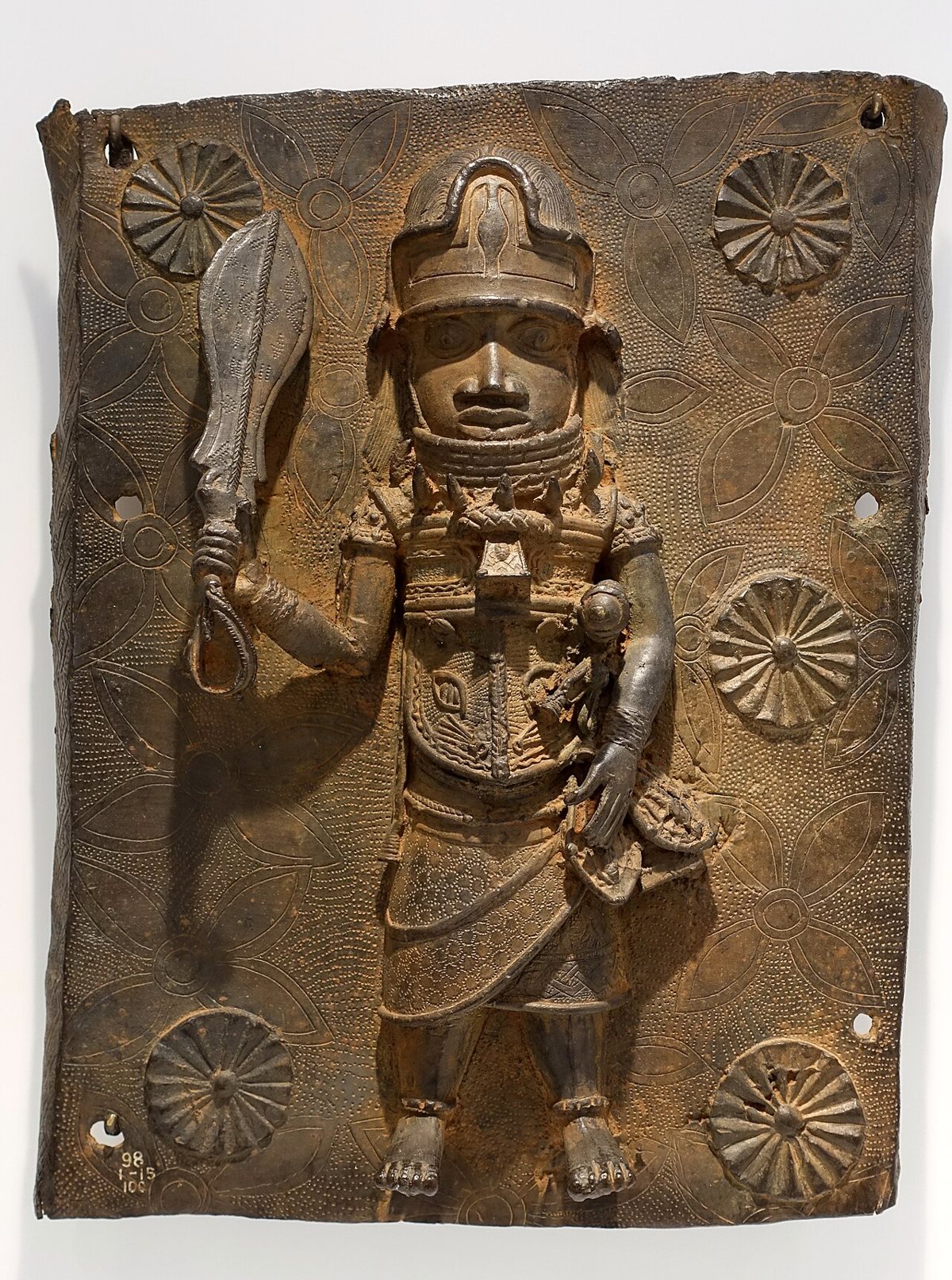
The DMA is the anchor of the Arts District and one of the largest art museums in the country. Its permanent collection spans ancient Mediterranean works through contemporary American painting, and the African art galleries alone are worth a dedicated afternoon. The museum's free general admission to the permanent collection, a policy it has held for years, means you can walk in, spend two hours with the Impressionists, and walk out without spending a dollar. That kind of access changes how a city relates to art. Go during a weekday morning if you want the Decorative Arts wing to yourself. The special exhibitions require a ticket, but they consistently draw major traveling shows from institutions like the Met and the Louvre.

Nasher Sculpture Center
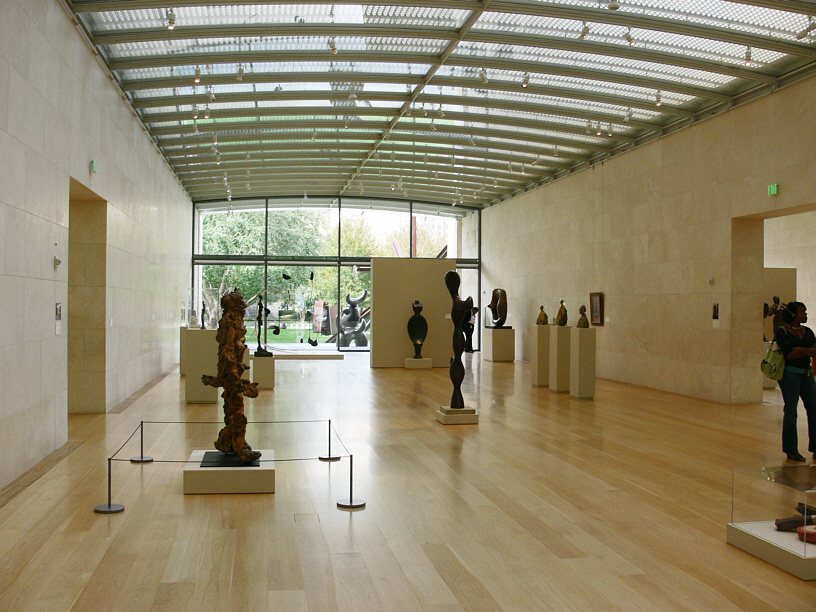
Right across Harwood Street from the DMA, the Nasher is one of the finest sculpture museums anywhere. Renzo Piano designed the building, and the garden behind it, where full-scale works by Rodin, Calder, Bourgeois, and Serra sit under mature live oaks, is genuinely extraordinary. It's easy to spend an hour out there without realizing it. The indoor galleries rotate thoughtfully, and the permanent collection includes pieces you won't see anywhere else in the Southwest. The garden is the main event, though; plan to arrive when it opens so you have the space to yourself before school groups arrive.

AT&T Performing Arts Center
The AT&T Performing Arts Center complex occupies several blocks of the Arts District and includes the Winspear Opera House, the Wyly Theatre, and the Strauss Square outdoor performance space. The Winspear's acoustics have drawn raves since it opened; seeing the Dallas Opera there is a full-evening experience, not just a concert. If you're not catching a show, the Winspear's exterior, a red glass disc that glows at night, is worth seeing just as architecture. Check the calendar for free Strauss Square events during the warmer months. The Wyly, designed by REX/OMA, is a stranger building: its mechanical grid of towers allows the interior to be reconfigured for nearly any theatrical format, which means the Dallas Theater Center can produce work there that simply can't be staged elsewhere in Texas. Booking a performance at either venue (opera, symphony, theater, or dance) is a legitimately good evening out, not an obligation to culture.
Klyde Warren Park and Uptown
Klyde Warren Park
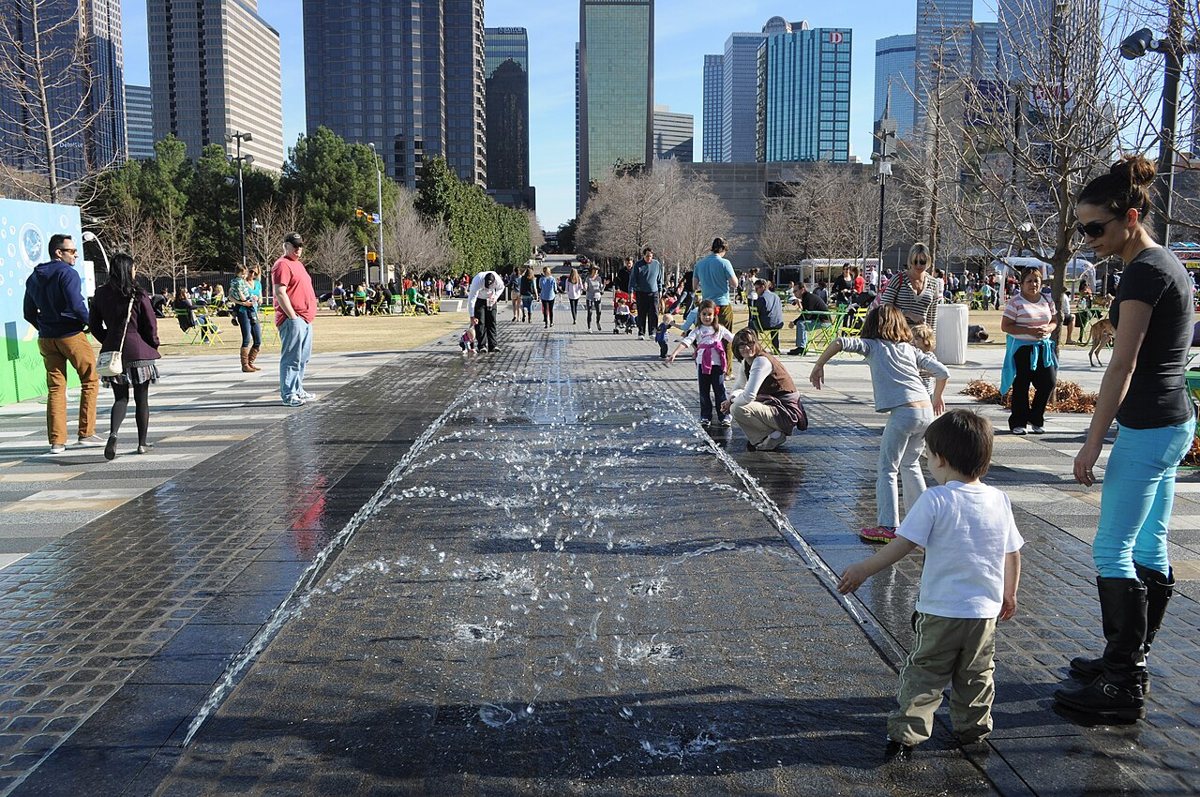
Built over a recessed freeway, Klyde Warren Park is the connective tissue between Uptown and the Arts District. On any decent-weather day it functions as the city's living room: food trucks park along the north edge, a children's area runs games on the lawn, and the great lawn hosts free yoga, concerts, and film screenings on a rotating basis. It's also simply a good place to sit. The park is one of the more convincing arguments that Dallas has figured out how to make public space work. The DART light rail stops nearby, and the park is an easy walk from both the Nasher and the hotels clustered along McKinney Avenue.

The Katy Trail
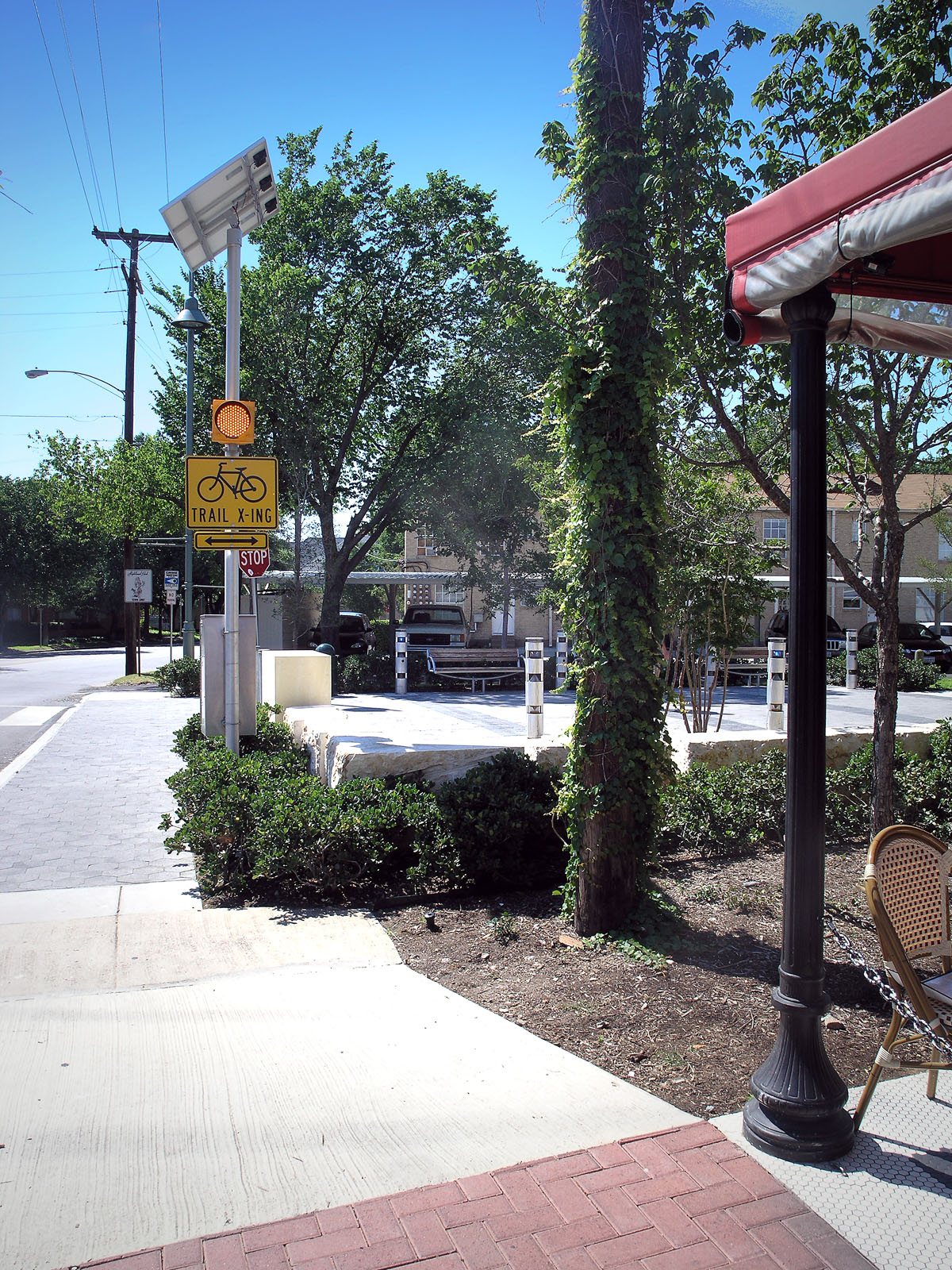
Converted from an old MKT railroad corridor, the Katy Trail runs about three and a half miles through some of Dallas's most tree-lined real estate, connecting Uptown to Highland Park and beyond. It's popular with runners and cyclists, but also worth walking for the urban-forest quality of certain stretches near Turtle Creek. The trail's southern end near American Airlines Center puts you a short walk from the Design District; the northern end near Mockingbird Station connects directly to DART rail. It's a rare piece of Dallas that doesn't require a car, and it's free.

Deep Ellum: Music, Murals, and Late Nights
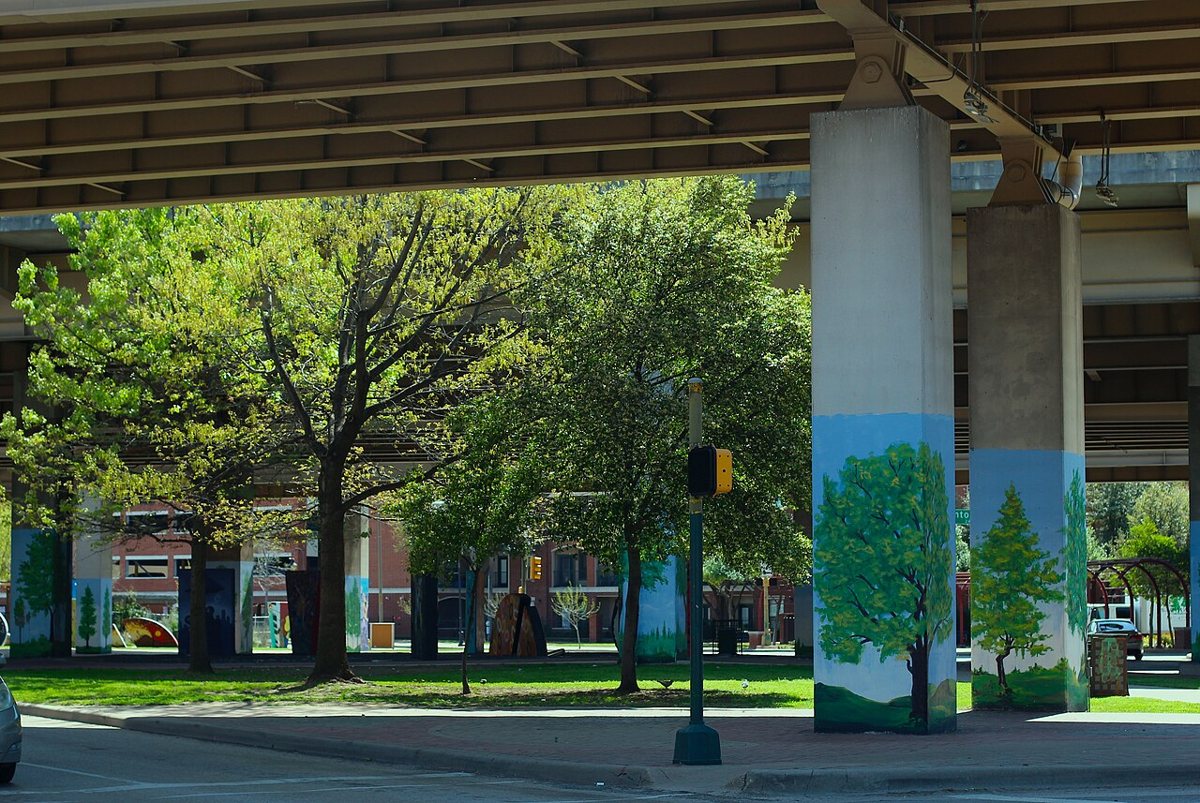
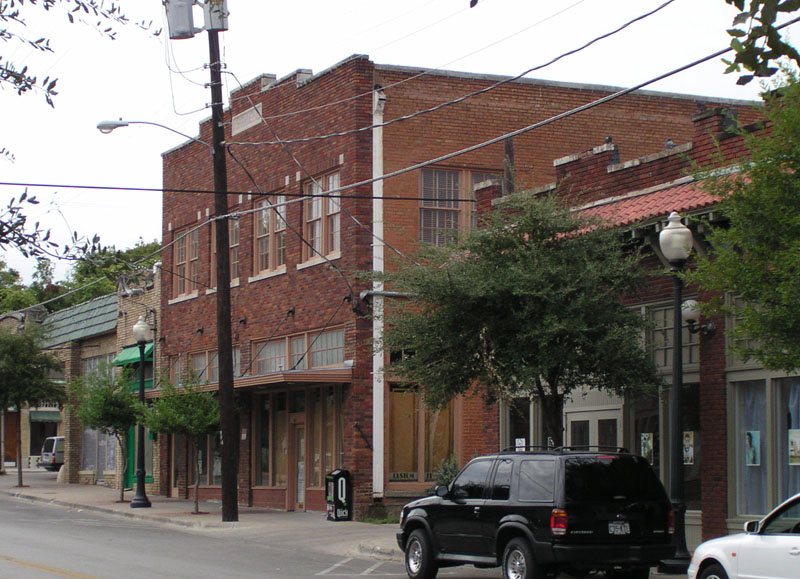
Deep Ellum sits about a mile east of downtown and has been Dallas's music neighborhood since the 1920s, when Blind Lemon Jefferson and Leadbelly played the blocks around Commerce and Elm. The neighborhood has gone through cycles of boom and neglect, but what's there now is the most sustained creative scene it's had in decades. The murals covering warehouse exteriors have made it a destination in daylight too, and the concentration of live music venues means you can catch jazz, punk, country, and hip-hop within a four-block radius on the same night. Good venues include Trees and a dozen smaller rooms. Come on a Thursday through Saturday and just walk; something will pull you in.

The craft beer scene in Deep Ellum has developed steadily around spots like Deep Ellum Brewing Company, which operates a taproom and distributes widely across Texas. Sitting on the patio there with a pint of one of their hop-forward lagers while the neighborhood wakes up in the afternoon is one of those low-key Dallas pleasures that doesn't show up in most travel pieces. The cocktail bars in the neighborhood have also raised their game considerably; several are serious about their programs in a way that was less common in Dallas a decade ago. Deep Ellum is also where you find the best late-night food in the city, the kind of places that are cooking at midnight because the musicians and bar staff need to eat after their shifts. The neighborhood rewards multiple visits across different times of day, because it's genuinely different at 2 p.m. than it is at 2 a.m.
Oak Cliff: Tacos, Culture, and the Real Dallas
Cross the Trinity River south of downtown and you're in Oak Cliff, which for many longtime Dallas residents is where the city's real personality lives. The neighborhood's Latino heritage runs deep, and the concentration of taquerias along Jefferson Boulevard and its surrounding streets reflects that: breakfast tacos with eggs, chorizo, and refried beans wrapped in fresh flour tortillas, enchiladas with a dark chili gravy that bears no resemblance to anything you'd find north of the Trinity, and frozen margaritas that are served in styrofoam cups and are absolutely correct about it. This is Tex-Mex as a living tradition, not a genre. the best Tex-Mex in Dallas conversation often starts and ends in Oak Cliff.
Beyond the food, Oak Cliff has a DIY arts scene centered around spaces like the Texas Theatre, a restored 1931 movie palace on Jefferson that now runs independent films and concerts. The Bishop Arts District, a walkable sub-neighborhood a few blocks from Jefferson, has become one of the denser concentrations of independent boutiques, coffee shops, and chef-driven restaurants in the city. It's genuinely walkable, which in Dallas is still worth noting.

Fair Park and the Sixth Floor Museum
Fair Park
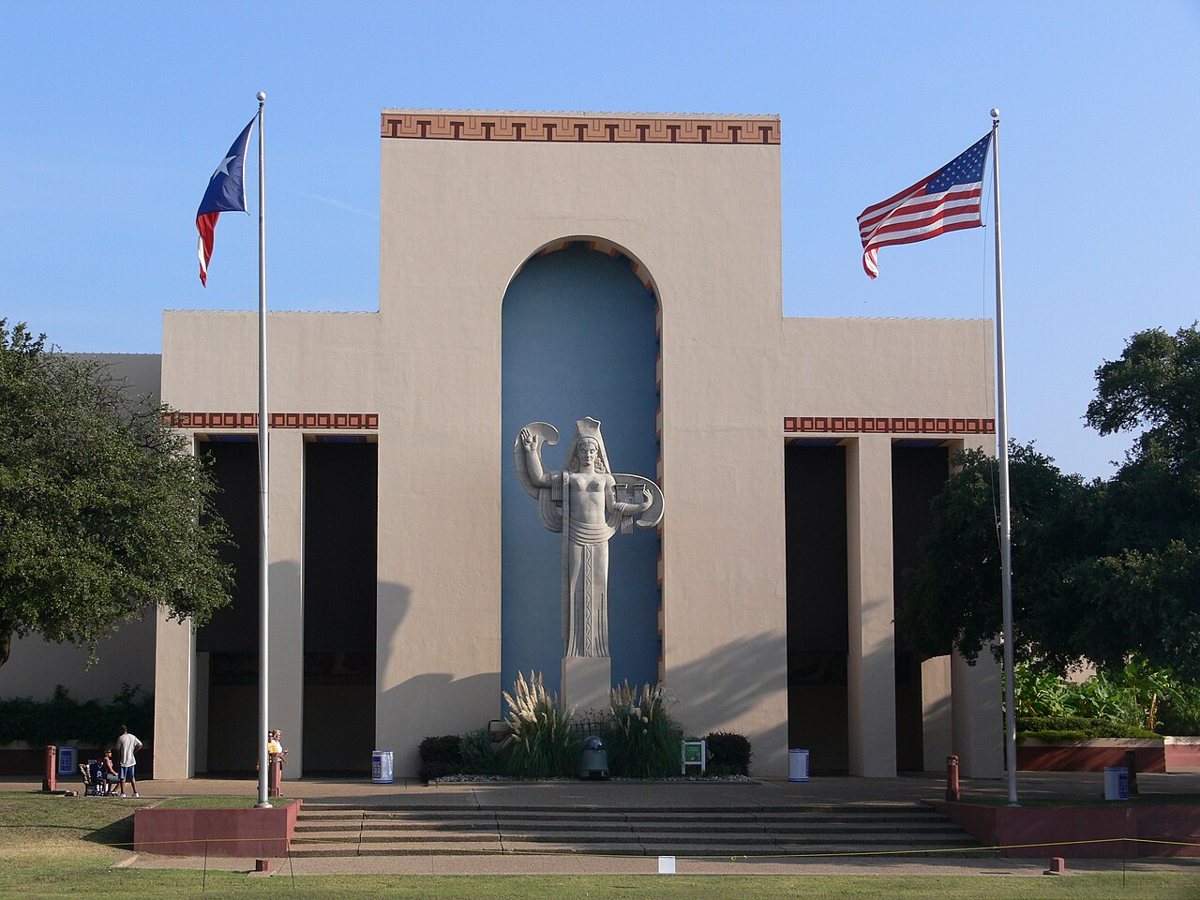
Fair Park is a 277-acre National Historic Landmark east of downtown that contains the largest collection of 1930s Art Deco exposition architecture in the country, most of it built for the Texas Centennial Exposition in 1936. Outside of the State Fair of Texas, which fills the grounds every fall and is an experience of its own (the food alone justifies a visit, and the livestock competitions and the Cotton Bowl game are part of the fabric of Texas life), Fair Park houses the Texas Discovery Gardens, the African American Museum of Dallas, and the Music Hall. The scale of the place is not fully appreciated until you walk it; the esplanade facing the Hall of State is genuinely monumental.

The Sixth Floor Museum at Dealey Plaza
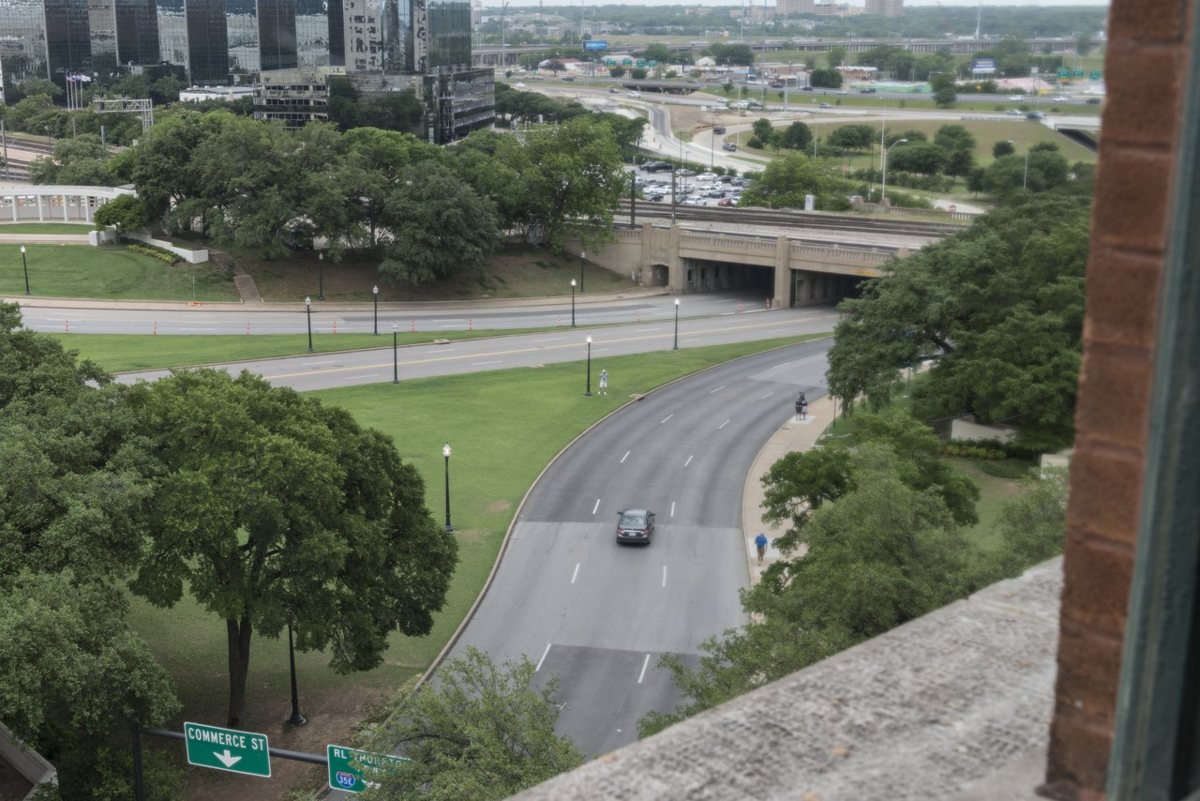
The Sixth Floor Museum occupies the floor of the former Texas School Book Depository from which Lee Harvey Oswald fired on President Kennedy in November 1963. It is a serious, well-curated historical museum, not a tourist trap. The exhibit places the assassination within the larger context of Kennedy's presidency and the Cold War era, and the corner window where Oswald positioned himself is preserved behind glass exactly as investigators found it. The view down Elm Street toward the triple underpass is disorienting in the way that real historical sites are disorienting. Standing there, you understand why historians keep returning to Dallas to try to make sense of that afternoon. The museum handles a difficult subject with appropriate gravity.
Science, Nature, and the Perot Museum
Perot Museum of Nature and Science
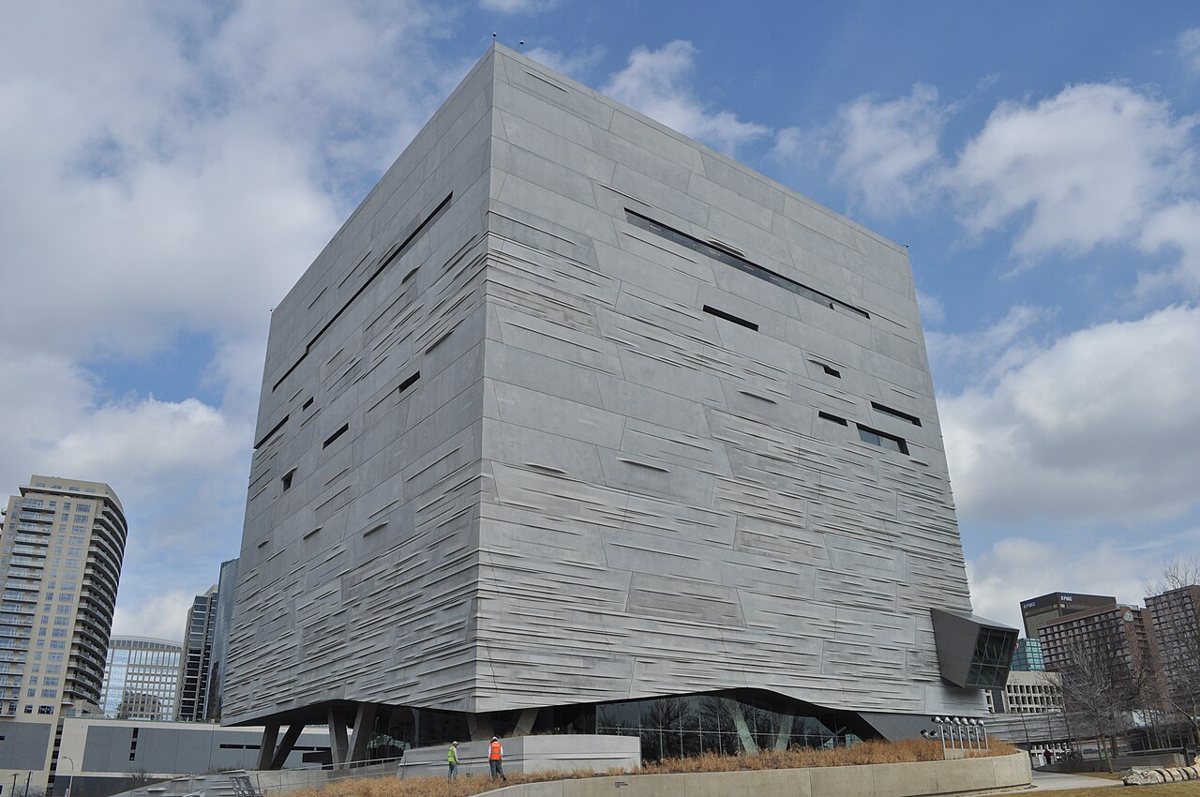
The Perot Museum opened in 2012 in Victory Park with a Thom Mayne-designed building that reads as deliberately alien to its surroundings, a stone cube wrapped in cast glass that seems to levitate above street level. Inside, five floors of permanent exhibits cover paleontology, gems and minerals, energy, the human body, and Texas geology. The dinosaur hall alone is among the best in the South; the collection includes real fossil material rather than casts, and the exhibit design is sophisticated enough to hold adults for an hour. The energy hall, funded substantially by Dallas's oil industry, is unusually candid about what fossil fuel extraction actually involves. It's worth a visit on its own terms.

Dallas Arboretum and Botanical Garden
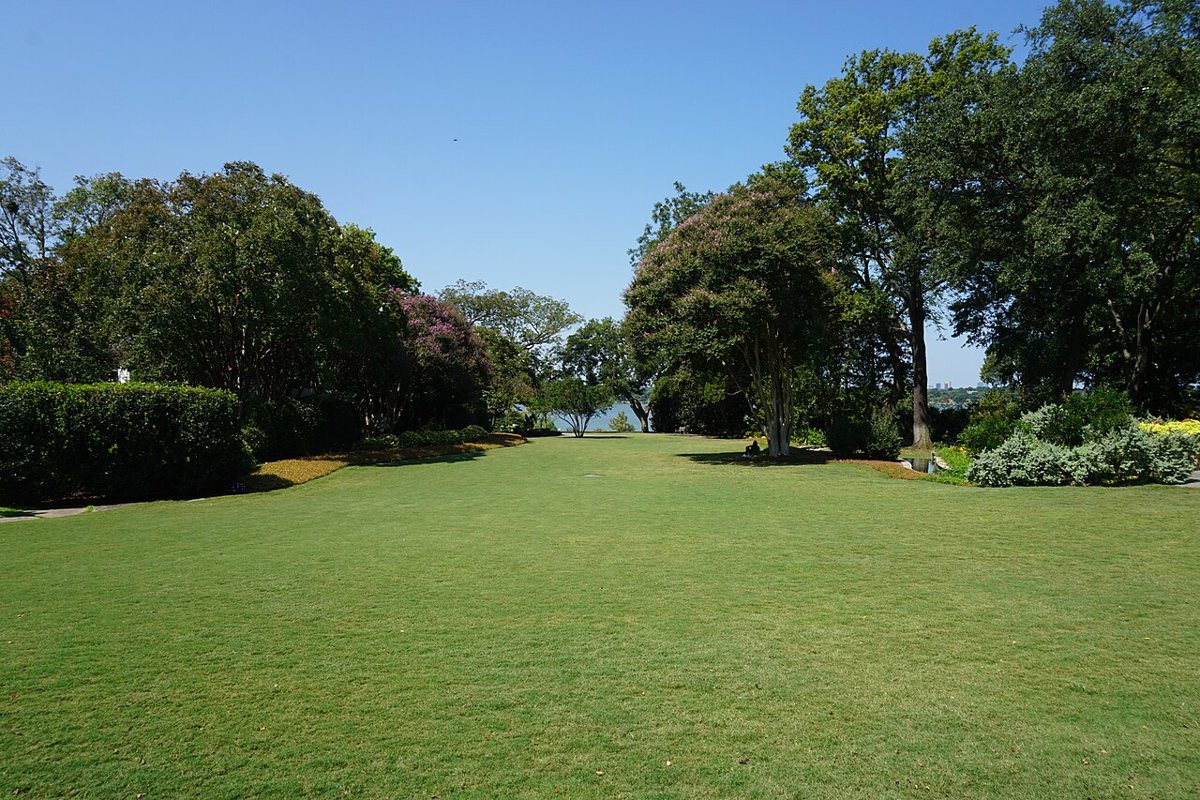
Sixty-six acres of gardens along the east shore of White Rock Lake, the Dallas Arboretum cycles through dramatic seasonal plantings that draw crowds during the spring blooms and the fall pumpkin village. But the gardens are worth visiting in any season for the lake views alone. The Rory Meyers Children's Adventure Garden is a genuine standout for families, with outdoor science-based play areas that engage kids who aren't particularly interested in horticulture. The whole property is well-maintained to a standard that makes the entry fee feel reasonable. Go in the morning; by early afternoon on weekends it gets crowded near the main entrance.

Reunion Tower and Downtown
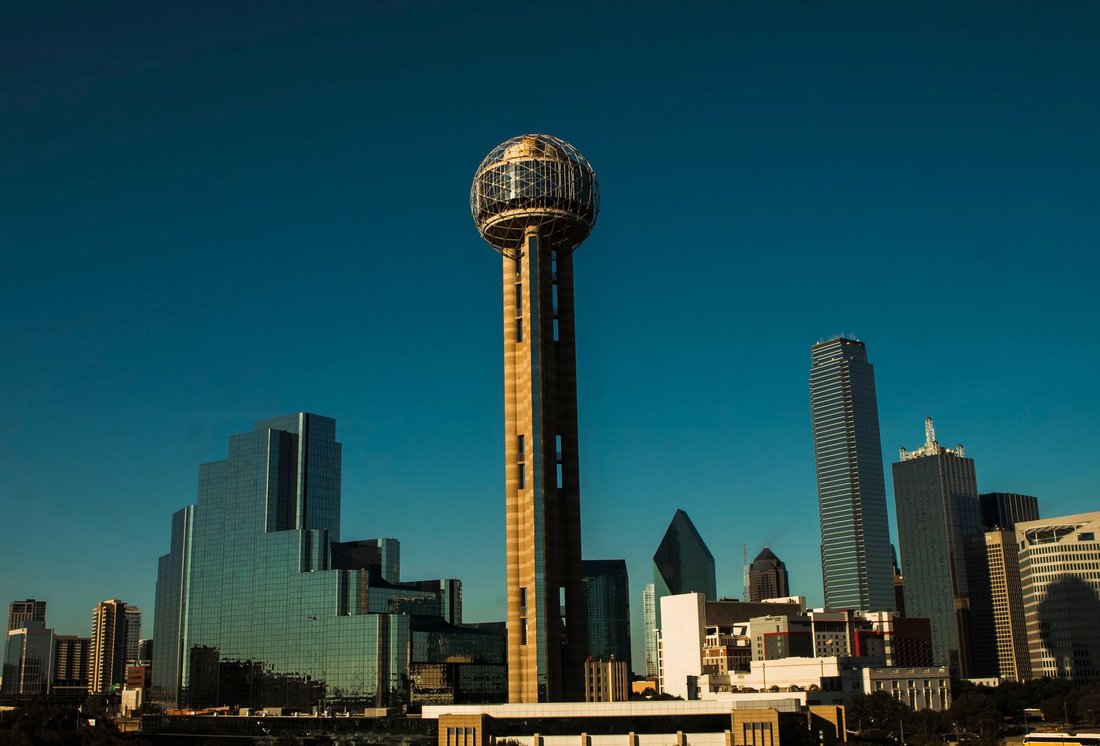
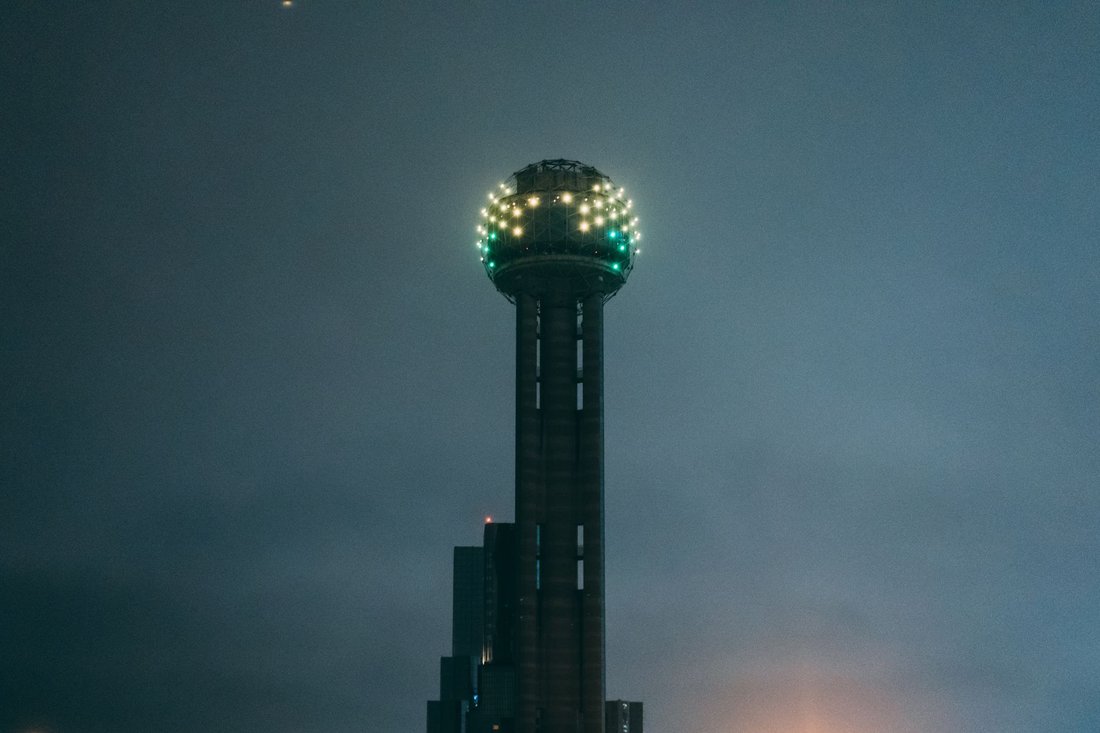
Reunion Tower has been the most recognizable element of the Dallas skyline since it opened in 1978. The geodesic sphere at the top houses an observation deck called GeO-Deck that provides 360-degree views of downtown, the Arts District, and on clear days, the sprawl reaching toward Fort Worth to the west and the Preston Hollow estates to the north. The viewing experience itself is straightforward, but the context it provides (the sheer horizontal scale of the Metroplex, the way the city just keeps going) is useful for orienting yourself in a place this large. Dallas is not built like a European city or even like Chicago; it's built like a place that expected to grow and made room for it. The tower makes that legible in a way no map fully does.
The Dallas World Aquarium, a few blocks away in the West End Historic District, is a legitimately strong aquarium anchored by a four-story indoor rainforest that houses exotic birds, sloths, river otters, and hundreds of fish species alongside a walkthrough tunnel where sharks and rays pass overhead. It tends to get overlooked because the big-ticket science and art museums have more marketing reach, but families consistently rate it among the better half-days in the city. The building itself is an old warehouse, which gives the rainforest installation a dramatic quality, the contrast between the industrial exterior and the dense tropical interior is genuinely surprising the first time you walk in.
Design District and the Restaurant Row
The Design District, sandwiched between Uptown and Oak Cliff along the Trinity, started as a wholesale furniture and gallery neighborhood and has evolved into one of the better dining corridors in the city. The art galleries are still there and worth a Saturday-afternoon browse, they tend toward contemporary work and are less formal than their Arts District counterparts, and there's less institutional pressure to be impressed. The restaurants that have moved in alongside them range from serious Mexican food to high-end Japanese to the kind of chef-driven American cooking that gets written up in national food media. It's the neighborhood that most reflects the current state of Dallas's food scene, which is genuinely more interesting than it was even a decade ago. Dallas's food scene has attracted national attention in part because of what's happened here, and a Saturday dinner reservation somewhere in the Design District is a reasonable way to understand why.
Lower Greenville and the Broader Dining Landscape
Lower Greenville Avenue, running northeast from Uptown toward Lake Highlands, is one of the city's older bar and restaurant corridors and has held its character better than most. The blocks between Belmont and Vanderbilt have a neighborhood-bar quality that the trendier districts sometimes lose; the restaurants are less showy, the patios fill with regulars, and you're more likely to find something genuinely local than a brand that's opened in six cities. It's also the area that has historically produced some of the city's best brunch, a meal Dallas takes seriously in the way cities with warm patios tend to. Lower Greenville is walkable for a few blocks and easy to reach by car or rideshare. It pairs well with a morning at the Arboretum or an afternoon at an SMU gallery, both of which are in the same general northern quadrant of the city.
Getting Around and Practical Notes
- DART light rail connects downtown to Deep Ellum, Fair Park, Mockingbird Station (Katy Trail access), and several Uptown-adjacent stops. For Arts District visits, the St. Paul and Akard stations are both walkable to the major museums.
- The Arts District, Klyde Warren Park, and Uptown form a contiguous walkable zone of roughly a mile and a half. You do not need a car to cover this ground.
- A car is useful for Oak Cliff, Fair Park, the Arboretum, and the Perot Museum, though DART reaches most of these.
- Deep Ellum is its own walkable cluster, easily reached from downtown on foot or via DART.
- The Dallas Museum of Art's permanent collection is free on an ongoing basis. Klyde Warren Park and the Katy Trail are free. Fair Park grounds are generally free outside the State Fair season.
- Spring and fall offer the best weather. Summer temperatures routinely exceed 100 degrees Fahrenheit; plan outdoor activities for early morning.
- Parking in Deep Ellum and the Design District fills on weekend evenings. Plan accordingly or take DART or a rideshare.
A City That Earns the Look
Dallas doesn't ask for your approval, which is part of why it's earned it. The Arts District was built with the kind of institutional ambition that most American cities of this size can't sustain, and it shows, the DMA, the Nasher, the AT&T Performing Arts Center, and the Perot are all world-class institutions that would anchor any city's cultural identity. The food, especially the Tex-Mex that runs through every neighborhood from Oak Cliff to Far North Dallas, reflects a regional tradition that is specifically and irreducibly Texan. The music history in Deep Ellum is real and ongoing. The sprawl is real too, and a car helps, but the city has more walkable pockets than its reputation suggests. Go with a full week if you can manage it. There is more here than one trip will hold.