Best Parks in Dallas for 2026
From a freeway deck downtown to a 6,000-acre forest along the Trinity River, the parks worth your Saturday are more varied, and more ambitious, than the skyline suggests.
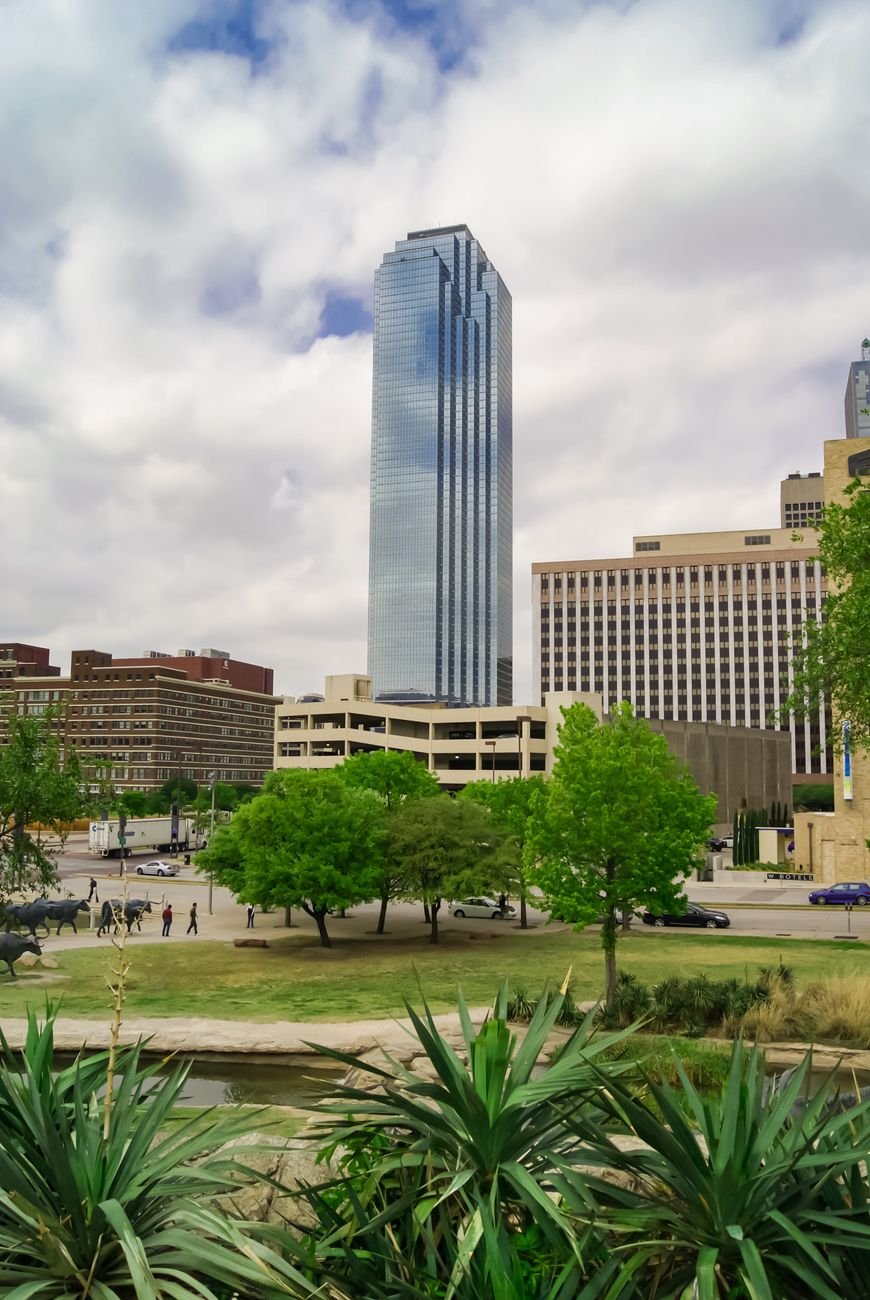
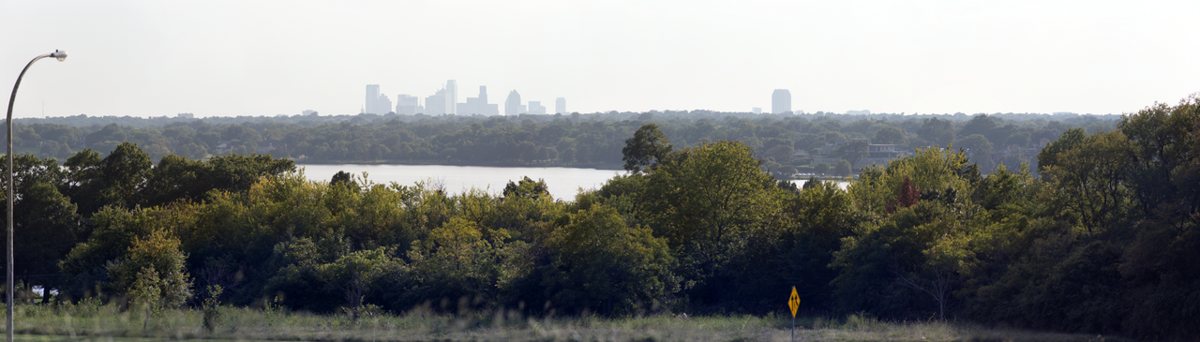
On a clear Saturday morning at White Rock Lake, the parking lot at Winfrey Point fills before most of Dallas has finished its coffee. A rower cuts a flat wake past the swim buoys while a pair of great blue herons work the shoreline, ignoring the runners on the levee above them. Someone has staked a folding chair on the grass, facing east toward a downtown skyline that sits low and silver across the water, like it wandered off from the Arts District and never came back. Scenes like this make the case for the best parks in Dallas better than any brochure: a city built on sprawl and freeways that still hands its residents real, working green space, block by block.
This guide moves park by park, neighborhood by neighborhood, from the Arts District down through Oak Cliff and out past the Great Trinity Forest. Some of these are podium parks stitched into downtown blocks. Others are wild enough that you should bring water and tell someone where you're going. A few sit steps from a DART rail stop, so a car isn't required for the Katy Trail or the Klyde Warren Park stretch of this list. The ones south and west of downtown are easier to reach with one. Treat this as a working list, not a ranking. Dallas doesn't have one park that beats the rest. It has a set of them, each doing a different job.
Downtown, Uptown, and the Arts District
Klyde Warren Park
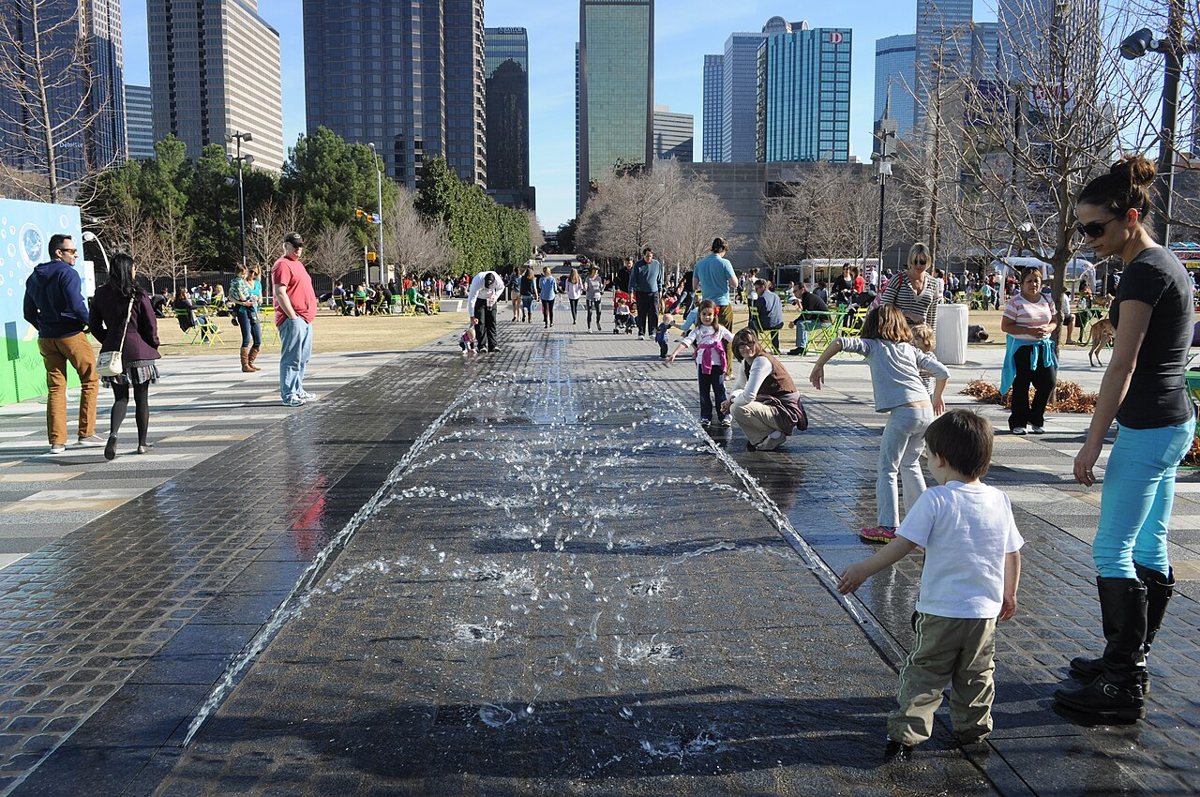
Klyde Warren Park is the park most people mean when they first ask about the best parks in Dallas, and it earns the reputation honestly. Built as a deck park over Woodall Rodgers Freeway, it stitches Uptown to the Arts District with five and a half acres of lawn, a reading room, a children's area with a splash zone, and a rotating lineup of food trucks parked along the north edge most days. It works because it never stops working: yoga classes in the morning, lunchtime crowds at the trucks, families sprawled on the Great Lawn by early evening, occasional concerts and festivals that spill toward the Nasher Sculpture Center and the Meyerson a few blocks over. Grab something from the food-truck lineup and eat it on the lawn with the skyline as a backdrop, or walk the park end to end and use it as the connector it was built to be, between the AT&T Performing Arts Center, the Dallas Museum of Art, and the Perot Museum. Skip the expensive downtown garages if you can, because the park sits directly on the Uptown and McKinney Avenue trolley line and within an easy walk of the St. Paul DART station.

Katy Trail
The Katy Trail isn't a single park so much as a spine, a converted rail corridor running roughly from Victory Park and the American Airlines Center up through Uptown and into Highland Park, with connections toward White Rock Lake for those willing to keep going. It's paved, shaded in long stretches by mature trees, and busy nearly every hour of daylight with runners, cyclists, dog walkers, and the occasional stroller brigade. Walk or bike the full northern stretch on a weekday evening when the crowd thins out, or use any of the access points near Knox-Henderson as a jumping-off spot for a nearby brunch spot afterward. You don't have to commit to the whole distance, since the trail has multiple named entry points with parking, benches, and water fountains. Pick the segment near Turtle Creek for shade and quiet, or the section near Knox Street for energy and people-watching.

Reverchon Park
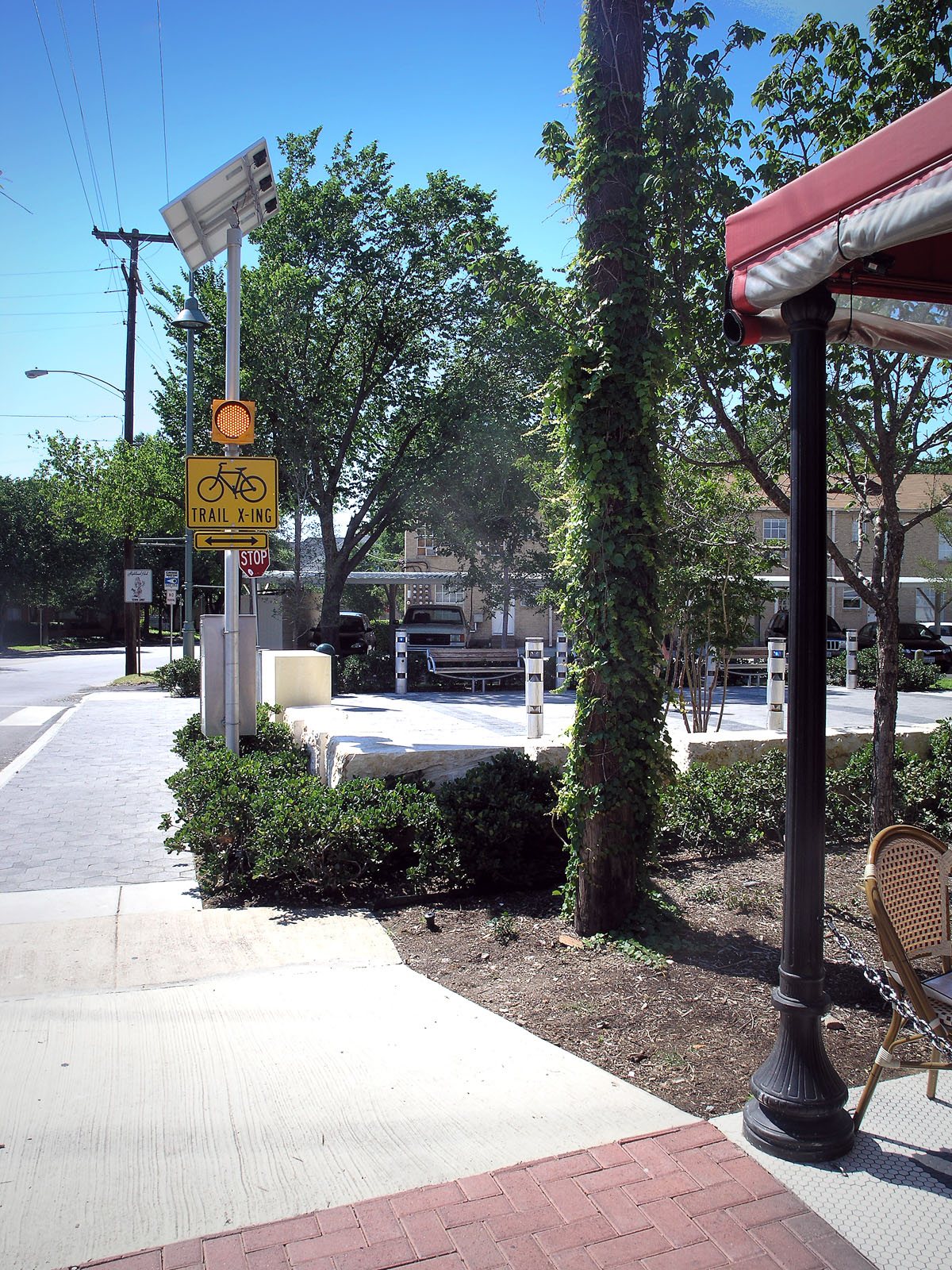
A few blocks west of the Katy Trail, Reverchon Park does something quieter. It follows Turtle Creek through Oak Lawn, with a disc golf course, tennis courts, a running loop, and a stretch of woods thick enough that you forget you're minutes from the tollway. Baseball fans know it for its historic ballfield, one of the oldest still in use in the city, a low grandstand and a dirt infield that have outlasted most of the buildings around them. Run or walk the creek-side path, or bring a disc set and use the course, which draws a loyal regular crowd that will happily tell you which holes play harder than they look. The lots fill fast on weekend mornings when youth sports leagues are in session, so a weekday visit leaves the woods to you.
Pacific Plaza
Pacific Plaza, on the eastern edge of downtown near Deep Ellum, is the newest of downtown's deck parks and the smallest, built over a parking garage rather than a freeway. It's compact, about three-quarters of an acre of lawn, shade structures, a canopy of young trees, and a dog-friendly layout that draws downtown residents more than tourists. It functions as a lunch-break park more than a destination, a place for office workers and nearby loft dwellers to eat outside or let a dog off leash in the fenced run. The design leans on movable furniture and open sightlines, so it feels less like a formal plaza than a shared front yard for the blocks around it. On foot it connects easily to Deep Ellum's restaurant and music strip, which makes it a natural staging point before a night out rather than an all-day outing.
East Dallas and White Rock Lake
White Rock Lake Park
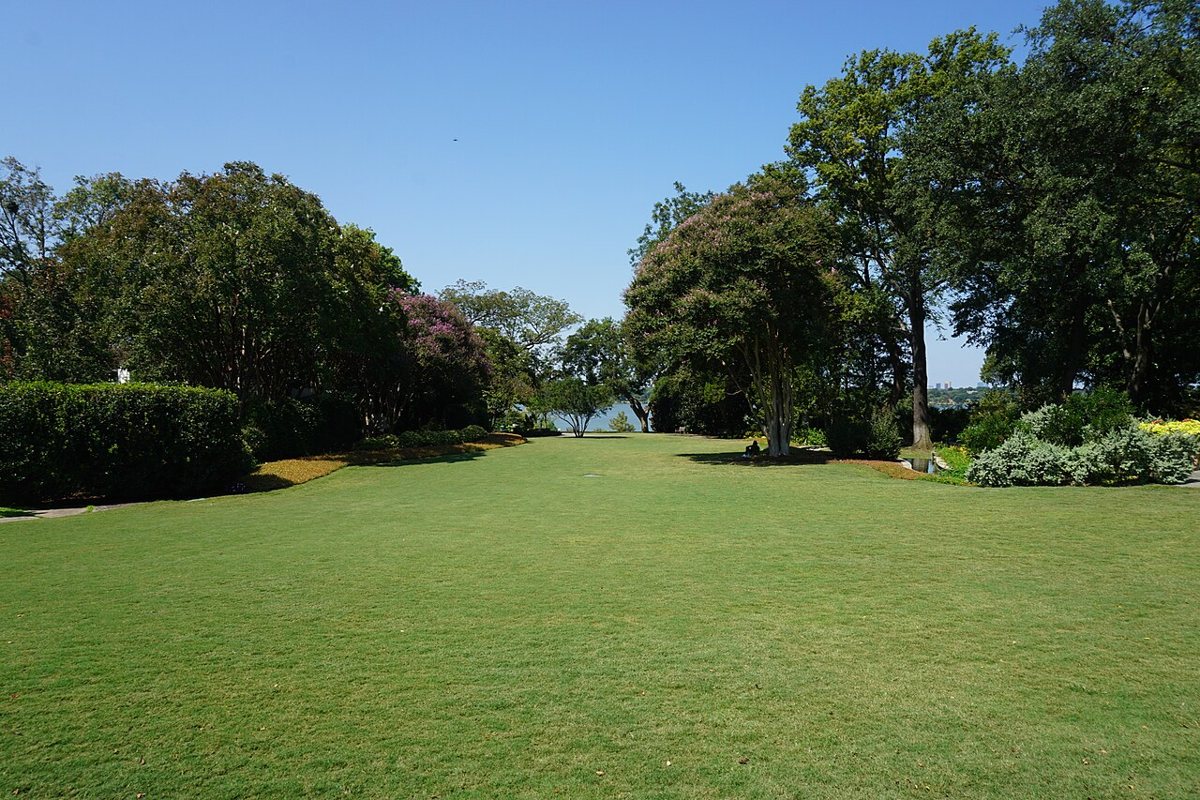
White Rock Lake is the one longtime residents argue is actually the best park in Dallas, not just one of them. It's a nine-mile loop around a reservoir built in the 1910s, ringed by hike-and-bike trails, sailboats, herons, and a skyline view from the western shore that photographers chase at sunset. The park includes the Bath House Cultural Center, the Dallas Arboretum on its southeastern edge, a dog park near Winfrey Point, and open lawns that fill with kite flyers and picnic blankets on cool weekends. Rent a kayak or paddleboard near the boathouse, run or bike the full loop if you're ambitious, or just park at Winfrey Point and watch the water. For an actual quiet walk, head to the east side of the lake, near the Dixon Branch and Sunset Bay, which sees a fraction of the crowd the western trail gets.

Dallas Arboretum and Botanical Garden
Technically a garden rather than a park in the loose, free sense of the word, the Dallas Arboretum still belongs on this list because it does what the best parks do: it gives people a reason to leave the house. Sixty-six acres on the southeastern shore of White Rock Lake hold themed gardens, seasonal installations, a children's adventure garden, and lake views that rival anything else in the city. Time a visit to whatever seasonal display is running, since the plantings change through the year, and budget at least two hours if you want to see the grounds without rushing. Unlike most of this list, the Arboretum charges admission, so check current hours and ticket prices before you go, and consider a weekday morning if you want the paths closer to empty.

Oak Cliff and Southwest Dallas
Kiest Park
Kiest Park anchors a stretch of Oak Cliff that doesn't get nearly the attention Bishop Arts does, and that's part of its appeal. More than 250 acres of rolling lawn, mature trees, a recreation center, a spray park, and a wooded creek trail feel far bigger than the neighborhood setting suggests. Take the looped trail through the wooded section, let kids loose at the playground and splash pad, or reserve one of the picnic pavilions for a family gathering. A community garden inside the park is open to visitors, which makes a good detour once you've covered the main loop.
Lake Cliff Park
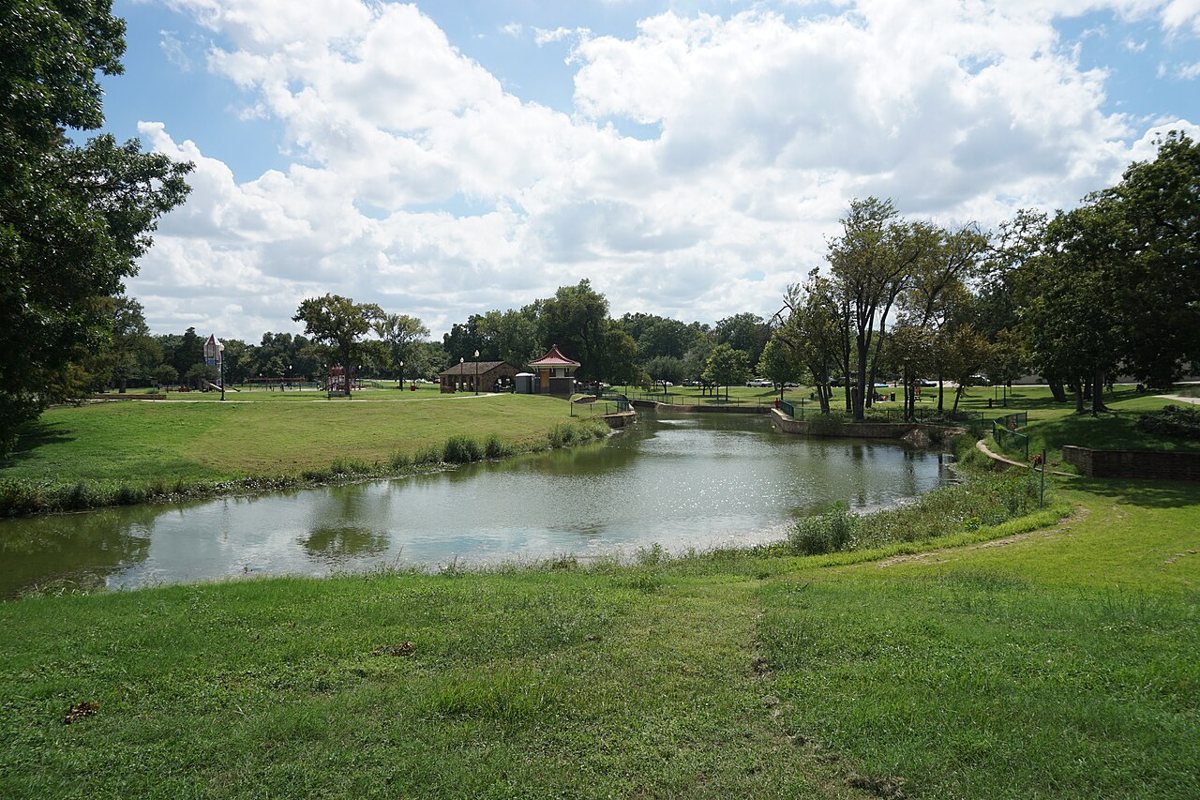
Lake Cliff Park sits right at the edge of the Bishop Arts District, a small lake ringed by a walking path, palm trees that give it an almost tropical look against the Texas sky, and a view back toward downtown across the water. It's compact, easy to cover in twenty minutes, but it's the kind of park you return to rather than check off. Walk the loop around the water, then head straight into Bishop Arts for the taco trail a few blocks north. The park gets genuinely good light in the late afternoon, when the sun drops behind the tree line on the western bank, so plan for golden hour if you're bringing a camera.

Cedar Ridge Preserve
Cedar Ridge Preserve, tucked into the escarpment on Dallas's southwest edge, is the closest thing the city has to real backcountry. Six miles of hiking trails cut through post oak woods and prairie, with overlooks that reveal more topography than most people assume this part of Texas has. Hike the full trail system if you have a few hours, or take the shorter loop near the nature center for a taste. Bring water regardless of the season. The preserve charges a small admission fee and closes earlier than most city parks, so check current hours before you drive out, especially in winter when daylight runs short.

Fair Park and the Great Trinity Forest
Fair Park
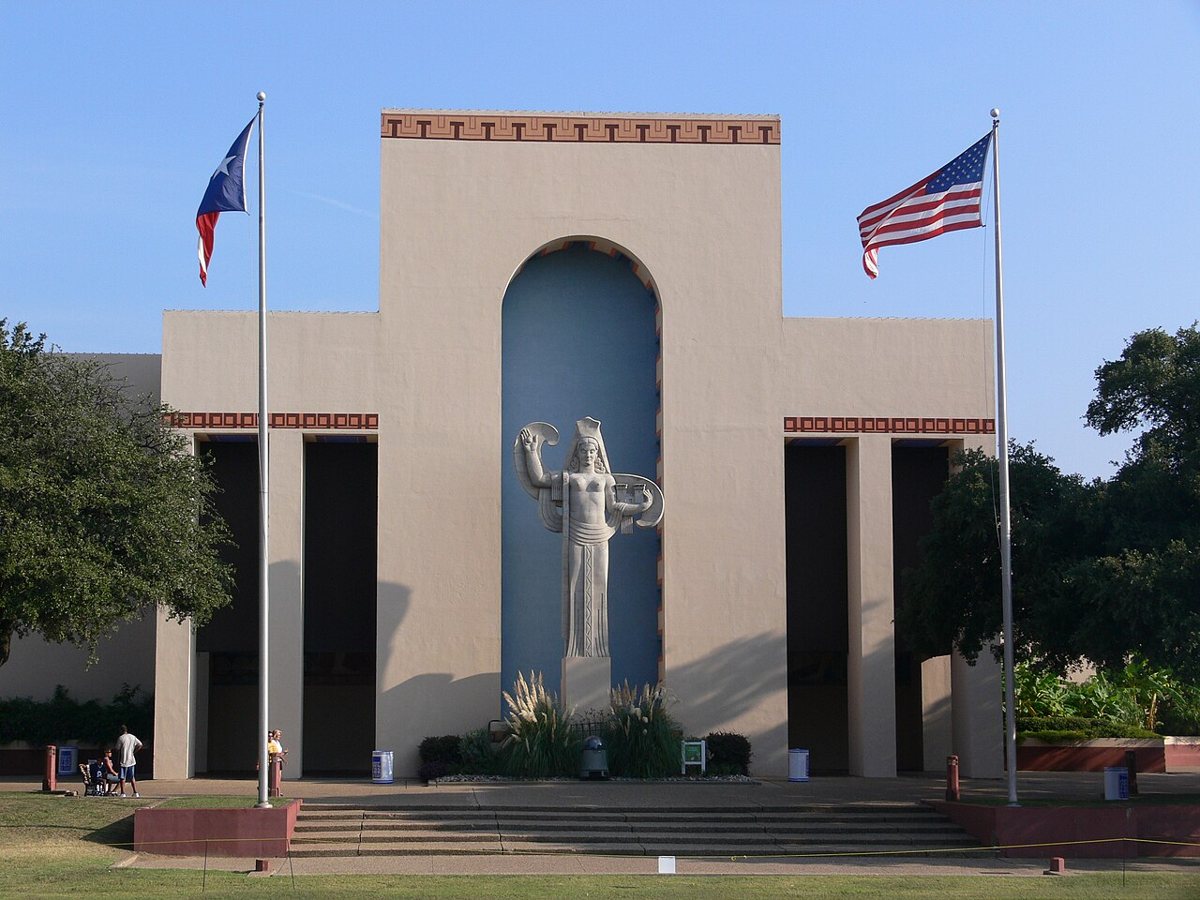
Fair Park is 277 acres of Art Deco architecture and open plaza space built for the 1936 Texas Centennial Exposition, and still doing double duty as the home of the State Fair of Texas every fall. Outside of fair season, it's an underused park in the best sense: wide esplanades, reflecting pools, and a concentration of Art Deco buildings that doesn't exist anywhere else in the state. Follow the esplanade past the fountains and murals, visit one of the museums inside the park boundary, or simply take in a building stock most Texas cities can't match. Come outside of State Fair season if you want to experience it as a park rather than a fairground, since the crowds and layout change completely once the fair sets up.

Trinity River Audubon Center and the Great Trinity Forest
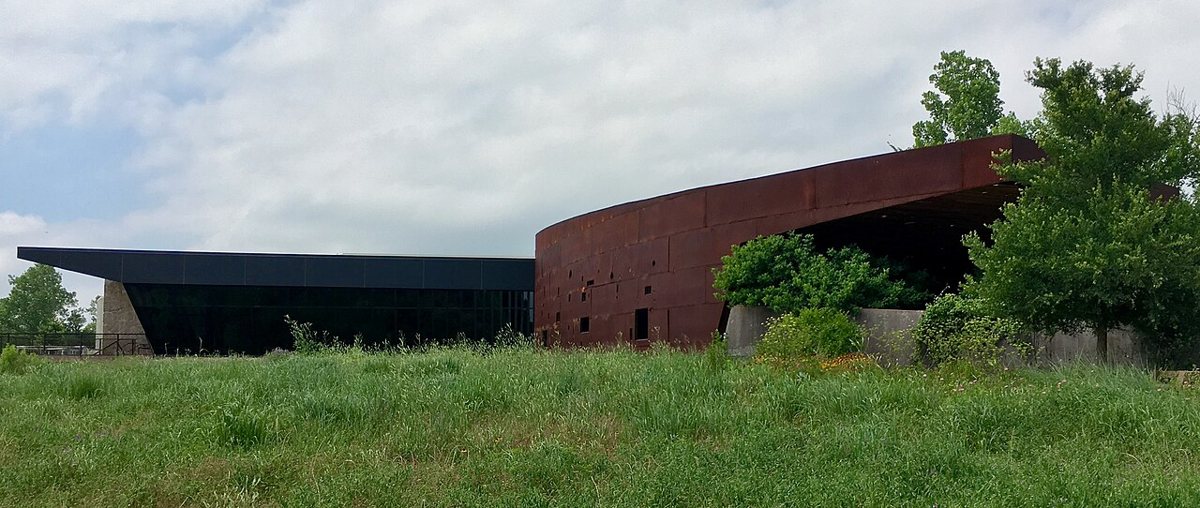
The Great Trinity Forest is the part of the park system most visitors never see, and plenty of longtime Dallas residents haven't either: more than six thousand acres of bottomland hardwood forest along the Trinity River, among the largest urban hardwood forests in the country. The Trinity River Audubon Center anchors the northern end with trails, a nature center, and programming built around the birds that use the corridor as a migration stopover. Walk the Audubon Center's trails for an easy introduction, or pick up the Trinity Forest Trail if you want real distance under tree cover. This is not a manicured park, and cell service and shade vary along the trails, so tell someone your route and carry more water than you think you need.

Northwest Dallas
Bachman Lake Park
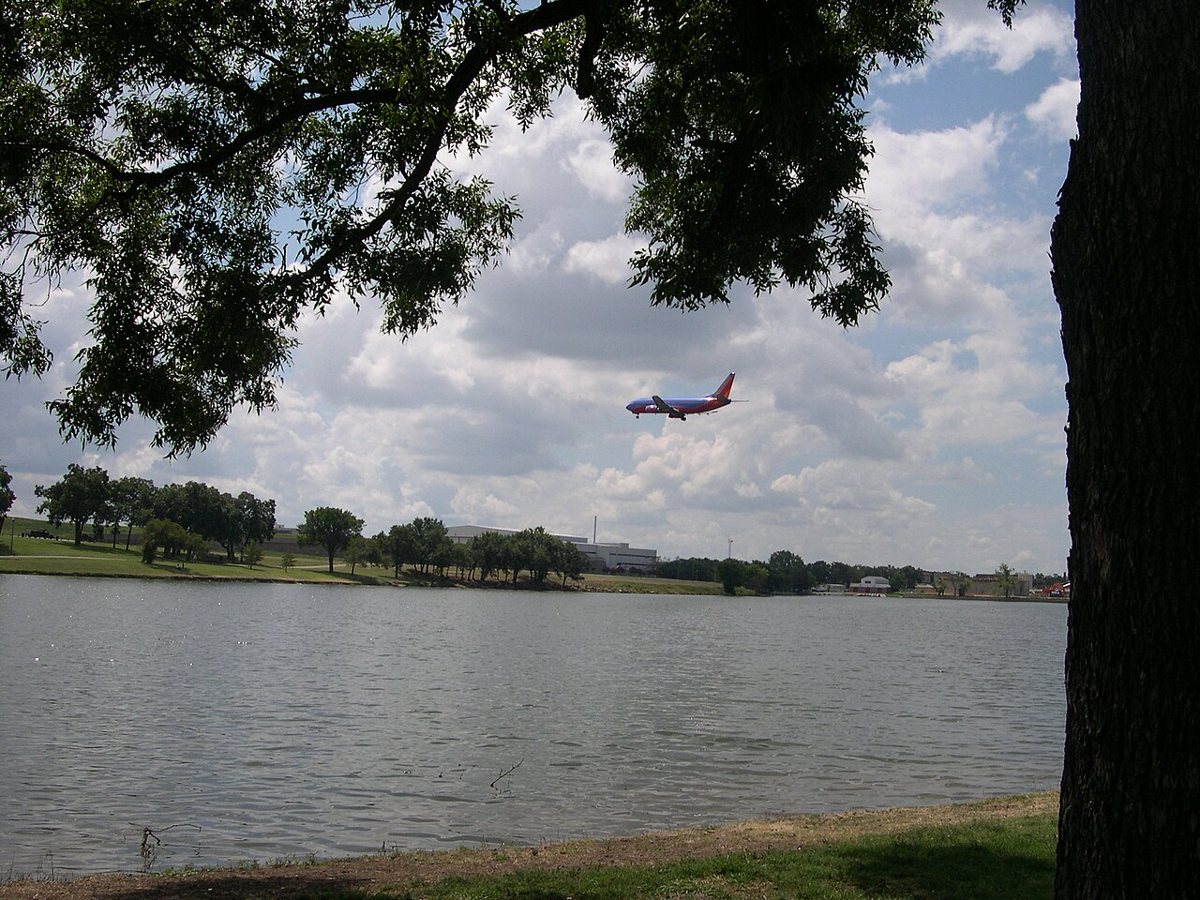
Bachman Lake Park sits close to Dallas Love Field, which means the soundtrack includes the occasional low pass of a landing jet, something regulars stop noticing after a visit or two. The lake is small compared to White Rock, but the paved trail around it draws a dense, diverse crowd of walkers, runners, and families, especially from the northwest Dallas neighborhoods that don't have as much nearby green space. Do the full loop on foot or by bike, rent a kayak in warmer months, or use the fitness stations along the trail. The park has become a genuine hub for the surrounding neighborhoods, with organized group walks and fitness classes that welcome newcomers, a good way to meet a part of Dallas that doesn't show up in most visitor guides.

The Best Parks in Dallas: Getting Around, Timing, and What's Free
A few practical notes before you go. Downtown and Uptown parks connect well to DART rail and the McKinney Avenue trolley, and the Katy Trail links several of them without a car. Parks farther out take more planning.
- Getting around: Klyde Warren Park, Pacific Plaza, Reverchon Park, and the Katy Trail are all reachable by DART or on foot from Uptown and downtown hotels. Kiest Park, Cedar Ridge Preserve, Bachman Lake, and the Great Trinity Forest are easier with a car or rideshare, since bus coverage thins out and the distances stretch.
- Timing: early morning and early evening beat midday almost everywhere in Dallas for at least eight months of the year, especially in July and August, when a noon visit to any unshaded lawn is an act of stubbornness rather than recreation. Weekday mornings are the quietest window at the popular spots, Klyde Warren Park and White Rock Lake among them, if a crowd-free visit matters to you.
- What's free: nearly everything on this list. City parks, the Katy Trail, White Rock Lake, Fair Park's grounds outside fair season, Bachman Lake, Kiest, Lake Cliff, Reverchon, and Pacific Plaza don't charge admission. The two exceptions are the Dallas Arboretum and Cedar Ridge Preserve, both of which charge a modest entry fee, so check current hours and pricing before you go. Dogs are welcome on leash at most of these parks, with designated off-leash areas at a handful, including the dog park near Winfrey Point at White Rock Lake.
What Makes a Dallas Park Worth Your Time
The temptation with a list like this is to measure Dallas against Austin's greenbelt or Chicago's lakefront and come up short, since this city built its bones around freeways and private lawns rather than public commons. That comparison misses what's actually happening here. Klyde Warren Park proved Dallas would spend real money to cap a freeway and hand the result back to pedestrians, and it worked well enough that Pacific Plaza followed a few years later. White Rock Lake and the Great Trinity Forest prove the opposite instinct, that a sprawling, car-first city can still protect thousands of acres of water and forest inside its own limits and let them stay wild. The honest read is that Dallas parks are uneven by design, some polished and heavily programmed, some rougher around the edges, because the city has spent unevenly on them for a century. The good ones, though, are genuinely good, ambitious in the way this city tends to be ambitious, unwilling to settle for a modest version of a big idea. Go to more than one. The deck parks downtown and the forest along the Trinity River aren't competing for the same visitor, and a real read on this city requires both.