Best Italian Restaurants in Bishop Arts, Tried and Tested
Six walkable blocks in Oak Cliff have turned into one of the more honest tests of Italian cooking in Dallas, and most of what makes a place worth the wait has nothing to do with the word Italian on the sign.
On a Friday night in Bishop Arts, three or four kitchens within earshot of each other are venting garlic and woodsmoke onto the same stretch of sidewalk, and the wait at each one runs past thirty minutes before the sun is all the way down. Nobody standing outside with a glass of red from the bar next door seems bothered by it. That patience says something about the neighborhood. Oak Cliff's dining blocks were never built for turning tables fast, and the footprint is small enough, maybe six walkable blocks total, that every restaurant in it has to earn its lease on flavor, not foot traffic alone.
Finding the best Italian restaurants in Bishop Arts means learning to read a kitchen quickly, because a district this size has no room for filler. A red-sauce spot coasting on nostalgia and a trattoria doing real work can sit two doors apart with nearly identical exteriors. The difference shows up on the plate within the first bite, and once you know what to look for, you stop guessing and start eating well every time you walk in.
What Separates the Best Italian Restaurants in Bishop Arts From the Rest
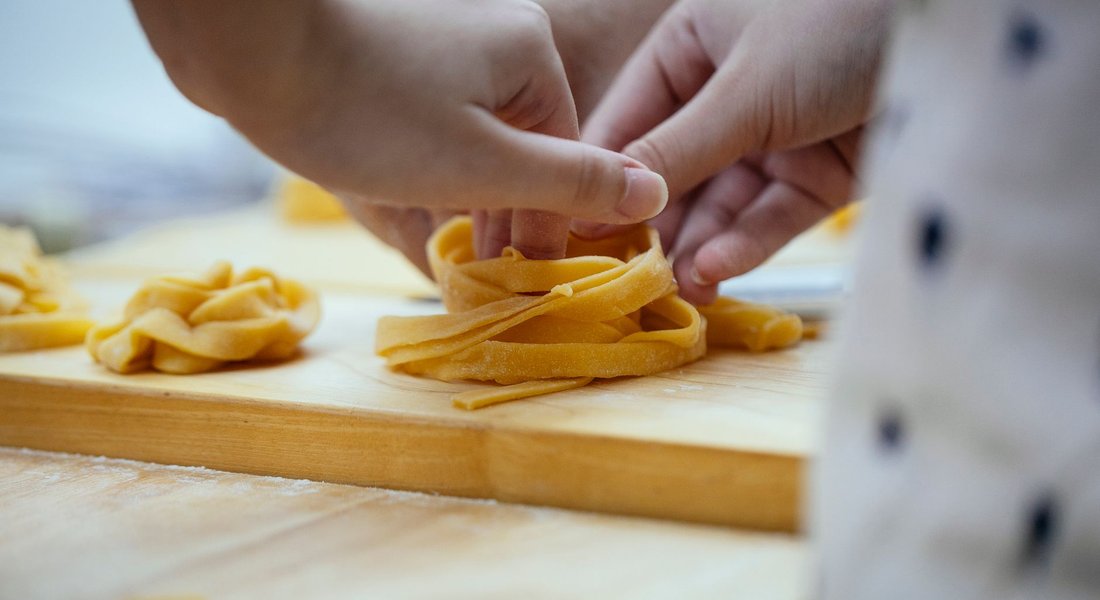
Start with the pasta. Housemade dough has a slightly rough, matte surface that grabs sauce instead of letting it pool at the bottom of the bowl. Tagliatelle cut by hand has faint irregular edges; the stuff coming out of a box is uniform to the millimeter and cooks up slick. Color matters too. Egg-yolk-forward dough runs a deeper gold than the pale, flour-heavy noodles that come frozen in bulk. If a menu leans hard on chicken parmesan smothered in jarred marinara and a Caesar salad with bottled dressing, that's a kitchen selling comfort, not craft, and there's a place for that, just not on a list of the neighborhood's best.
Wood-fired ovens tell a similar story. A properly blistered Neapolitan-style crust shows leoparding, those dark, irregular char spots from high, direct heat, and the crust itself stays thin enough to fold without snapping. A pizza baked low and slow in a standard oven comes out evenly browned and a little dense by comparison. Neither is wrong, but only one reflects the kind of technique worth seeking out on a night when you're choosing between four good options within sight of each other.
How to Spot a Real Neighborhood Trattoria
The best small trattorias in this part of Oak Cliff tend to run tight, changing menus, built around what a chef found that week rather than a laminated book that never moves. Look for Texas peaches or Hill Country olive oil worked into a dish, or a cured meat program the kitchen makes itself instead of buying pre-sliced. An open kitchen, or at least a pass you can see from half the dining room, usually means the cooks aren't hiding from what they're plating.
Portion logic is another tell. Family-style bowls of pasta meant for the table, rather than individually plated entrees sized for one, point toward a kitchen thinking about the meal as a shared event rather than a transaction. That's closer to how Italian food is actually eaten, and it's a good sign the rest of the menu was built with the same intention.
Wine, Cocktails, and What They Signal
A wine list stocked with obscure regional Italian producers, something from Abruzzo or Friuli instead of just a safe Chianti and a generic Pinot Grigio by the glass, usually means someone on staff actually cares about the category. An amaro or digestivo list at the end of the menu is a strong signal too; it's the kind of detail that costs a restaurant money and shelf space with no guarantee anyone orders it, which means it's there because the owners wanted it there. On the cocktail side, a well-built Negroni or a orange wine option on tap tells you the bar program was designed alongside the kitchen rather than bolted on afterward.
Getting a Table in a Six-Block District
Reservations on OpenTable or Resy fill fast for Friday and Saturday dinner, often by midweek, so book a few days ahead if the calendar allows it. Walking in has better odds right at opening, around 5 or 5:30, or later in the evening once the first wave clears out closer to 9. Bar seating in most of these spots is walk-up only and often the fastest way to eat without a reservation, especially solo or as a pair.
Parking is the real constraint. The municipal lots and metered street spots around Bishop Avenue and Davis Street fill early on weekend nights, and circling for a spot eats into the time you could spend eating. The Dallas Streetcar connects Oak Cliff to downtown and drops riders within a short walk of the district, which makes it worth considering if you're coming from anywhere near the Bishop Arts Station stop. Once you're there, everything worth eating is within a few minutes on foot, so there's little reason to move the car again once it's parked.
What to Order When You Sit Down
- Cacio e pepe is the dish that tells you the most about a kitchen's technique. Fresh-cracked pepper and a sauce that clings without clumping or breaking into an oily mess means the cooks know what they're doing with starch and cheese emulsification.
- A wood-fired pizza with a properly leoparded crust and restrained toppings, three or four ingredients rather than a dozen, shows a kitchen that trusts its dough and its oven.
- A seasonal antipasto plate built around whatever Texas produce is in season that month is usually the best read on what the kitchen is actually excited about right now.
- In cooler months, look for a braised or bone-in dish, something like osso buco, that rewards a kitchen willing to cook low and slow instead of everything fired fast for a busy dining room.
- Save room for a housemade tiramisu or budino. A dessert made in-house, rather than sourced from an outside bakery, is usually the last honest signal of the night.
Eating Well Without Overthinking It
None of this requires expertise, just attention. Read the pasta before you read the reviews. Notice whether the wine list has a point of view. Ask your server what changed on the menu this week, and if they light up with an answer, you're probably in the right place. Between courses, a walk through the shops that give the district its character is part of the appeal of eating here in the first place, since almost nothing worth doing is more than a few blocks from your table, and there's more to do nearby than the dinner reservation. And if the wait is long at one spot, it's rarely a wasted trip, because the wider Bishop Arts dining scene is dense enough that the backup plan is usually just as good as the original one. For a broader look, the best Italian restaurants across Dallas put the district in context.
The neighborhood has never needed to be the biggest dining district in Dallas to matter. It just needs kitchens willing to roll their own dough and cooks who taste the sauce before it goes out, and on most nights along these six blocks, that's exactly what you get.