Best Italian Restaurants in Dallas You'll Actually Love
Dallas has quietly built one of the most interesting Italian dining scenes in the South, if you know where to look and what to ask for.
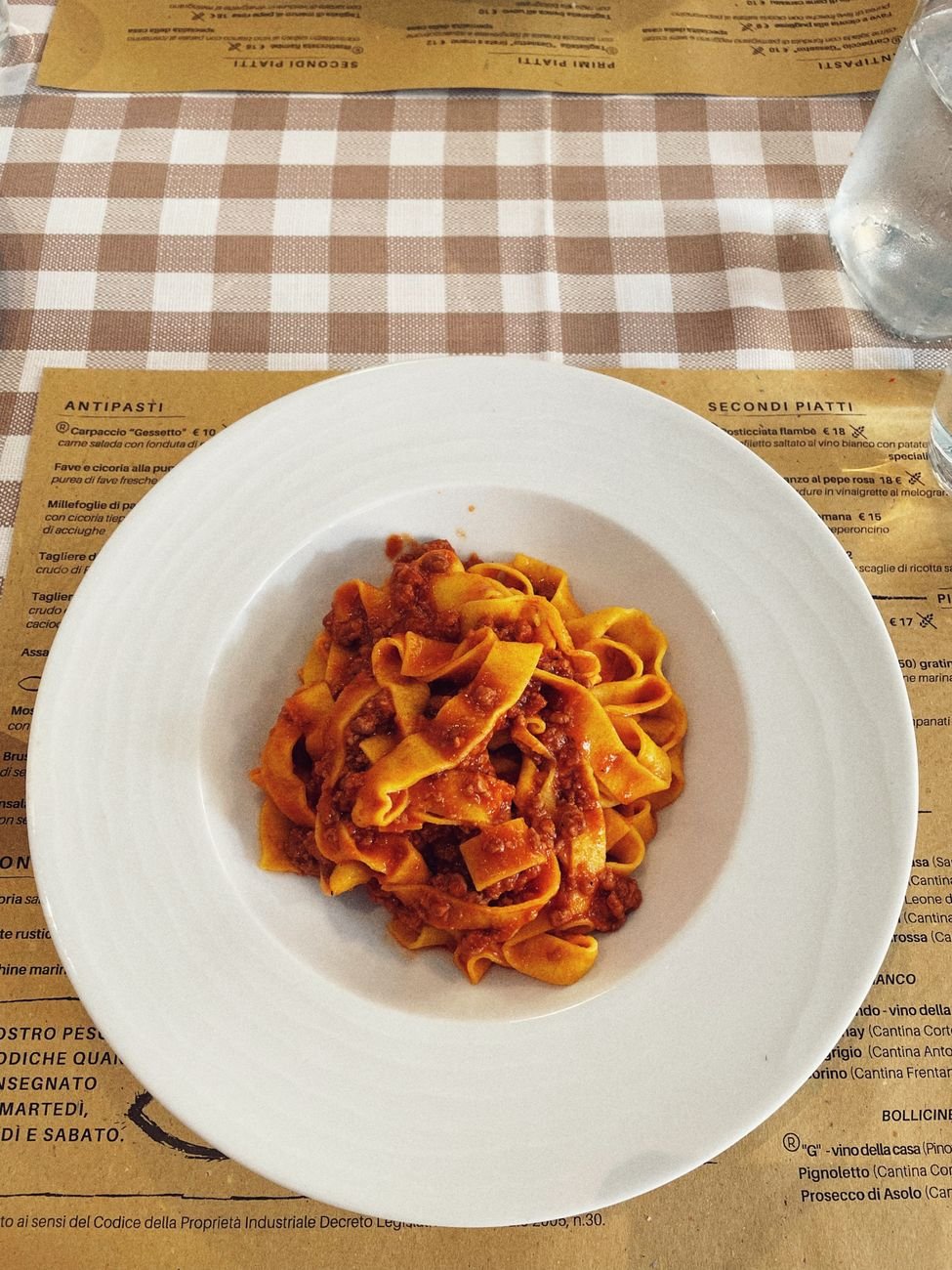
The pasta arrives too soft. The sauce tastes like it was opened from a jar and given thirty seconds on a burner. The bread basket is free, which tells you something. This is the Italian restaurant Dallas has been eating at for years — and it's also why finding the real stuff, the places where someone actually cares about the shape of a noodle and the fat content of the pork, feels like such a particular satisfaction. The good news: the best Italian restaurants in Dallas are genuinely good, not just good for Texas, not just good by some adjusted regional standard. They are restaurants that would hold their own in a serious city, because Dallas has become one.
Why Dallas Italian Has Finally Gotten Serious
For a long time, the Tex-Mex imperative crowded everything else out, which is not a complaint (a great puffy taco is a great puffy taco), but it did once mean that Italian cooking in this city was often a backup plan, something you ordered when you weren't in the mood to argue about salsa verde. The shift started in the Design District, where a restaurant row developed alongside the galleries, and where rents and clientele both pushed chefs toward ambition. Serious money came in. Serious sourcing followed. Suddenly cooks who had staged in Bologna or eaten their way through Naples were opening rooms in Dallas and finding that the audience here, accustomed to judging brisket by the smoke ring and the fat render, turned out to be a pretty rigorous dining public.
What separates a serious Italian kitchen from a red-sauce tourist operation is not the price of the check. It is attention to structure. Proper pasta has eggs, or doesn't, depending on the region, and it has the correct hydration, and it is rolled to a thickness that can carry its sauce without falling apart or overwhelming it. A bolognese cooked for four hours is not the same dish as one cooked for forty-five minutes, regardless of what the menu says. A kitchen that buys whole animals and breaks them down makes different choices than one that orders portion-cut proteins. These distinctions are visible on the plate, and they are worth learning to see.
Where to Find the Best Italian Restaurants in Dallas
The Design District remains the address for big-room, destination Italian in Dallas. The neighborhood's gallery energy attracts a crowd that expects things to look good and taste intentional, and the restaurants that have opened and survived there have had to meet that expectation. If you are planning a proper evening, start here.
Uptown is more variable. The Katy Trail crowd supports a lot of concepts, not all of them ambitious, and the Italian spots in this corridor range from genuinely skilled to glorified carbo-loading for runners. The rule here is to look at the pasta section of the menu before you sit down. When every pasta is a standard format (penne, fettuccine, rigatoni) finished with a small roster of interchangeable sauces, the kitchen is probably using dried product and combining it to order. Specific shapes and considered pairings tend to mean you are in better hands.
Bishop Arts has a walkable, neighborhood-scale version of the same tension. The independent dining culture there has produced some genuinely interesting smaller Italian concepts: wine-forward, unpretentious, the kind of place where the server actually knows what's in the dish. The right date-night room in Bishop Arts can be surprisingly quiet on a weeknight, which makes it worth the trip across the Trinity.
Deep Ellum is not traditionally Italian territory, but the neighborhood's appetite for craft and its tolerance for weird have encouraged some format experimentation: pasta bars, counter-service fresh pasta shops, the kind of casual but serious operation that doesn't fit anywhere else. Worth a look if you want to eat well without the full sit-down production.
How to Read an Italian Menu in Dallas
Region matters. Northern Italian cooking (Piedmont, Lombardy, Emilia-Romagna) means butter, egg yolks, braised meats, risotto, and pasta shapes like tagliatelle and tortellini. Southern Italian cooking (Campania, Sicily, Calabria) runs on olive oil, tomatoes, dried pasta, and seafood. A menu that mixes these traditions without acknowledging it is usually not doing either particularly well. A menu that commits to one region, or that labels its influences honestly, is telling you something important about what the kitchen understands.
Antipasti are worth ordering and worth judging. A kitchen serious about Italian food puts effort into its salumi, its roasted vegetables, its preserved things. An antipasti section treated as an afterthought, a few tired bruschetta options, usually means the rest of the meal reflects the same disinterest.
The pasta course is where you spend your attention. Ask whether the pasta is made in-house. This is not snobbery; it is a meaningful signal about the kitchen's priorities. Fresh pasta made well requires labor and skill and a cook who knows what the dough should feel like. Restaurants that invest in it are telling you where they put their resources. When you get the pasta, taste the noodle itself, not just the sauce. It should have presence, a slight chew that dried pasta rarely achieves, and it should taste like something: egg and flour, not just a carrier.
Secondi are often where Dallas Italian menus falter, defaulting to the same chicken and salmon options that appear on every other mid-range menu in the city. A restaurant with a real point of view will offer braised things, organ meats, or preparations that take real time. The newest serious openings in the city have been better about this than the legacy players, which tend to protect their regulars by keeping the menu safe.
The One Thing Worth Getting Right
Wine. Italian food is inseparable from Italian wine, and a restaurant that cares about the cuisine will have a list that reflects that. Nebbiolo with a braise. Vermentino with seafood pasta. Aglianico if you're eating something rich and slow-cooked. A list heavy on California and France, with a single token Italian section, is a menu designed for people who aren't thinking about the food and drink as a system. That system is half the point of the cuisine, and in the best Dallas rooms, the people pouring the wine can explain it to you without making you feel like a student.
The city's Italian scene has never been stronger, and the floor has risen. There are more places here making fresh pasta from scratch, sourcing imported 00 flour, and cooking sauces low and slow than there were five years ago. The mediocre places still exist and probably always will, but they are easier to spot now that you know what you're comparing them against.