Things to Do in Deep Ellum: The Local Guide
Deep Ellum is Dallas's loudest neighborhood and its most misunderstood, and a real visit means walking all three main strips instead of snapping one mural photo and calling it a day.
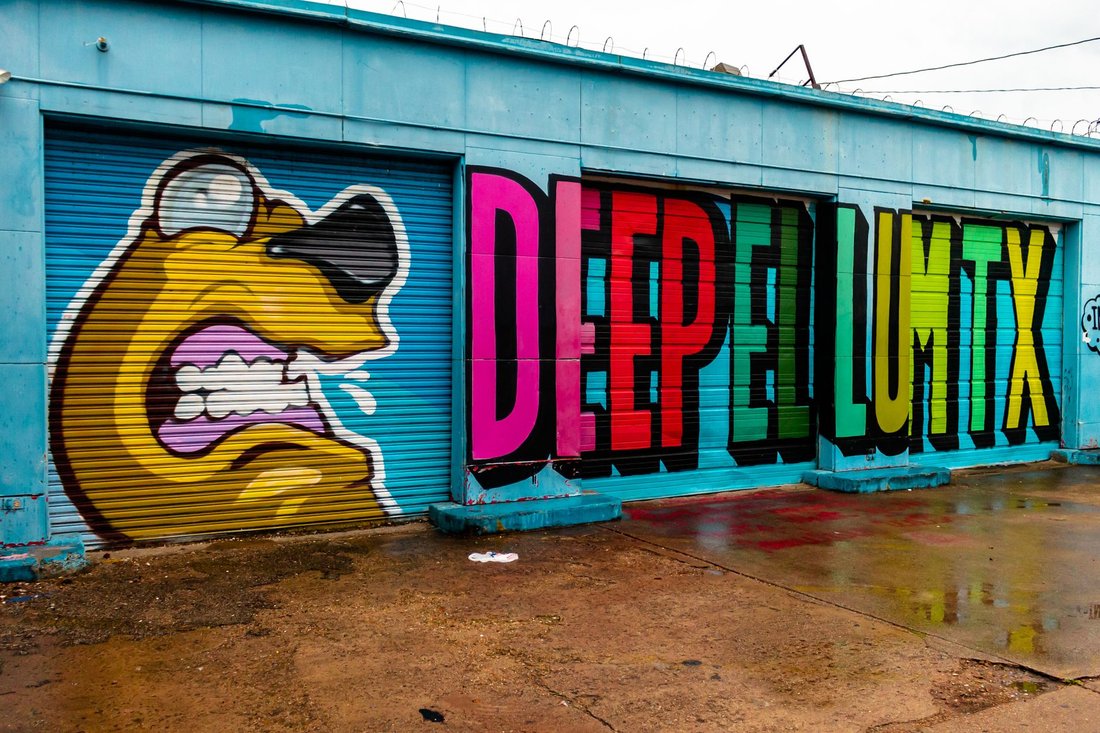
By nine on a Friday night, the sidewalk outside Adair's Saloon smells like fry oil and truck exhaust, a guitar riff leaks out of Three Links half a block down, and a knot of art students with cameras is still arguing about the best angle on one of the murals covering a warehouse wall on Elm Street. Somewhere behind them a bass line from a brewery patio bleeds into the noise of a passing DART train. This is Deep Ellum with its collar loosened, and it is why anyone who asks a local about things to do in Deep Ellum usually gets a two-hour answer instead of a list.
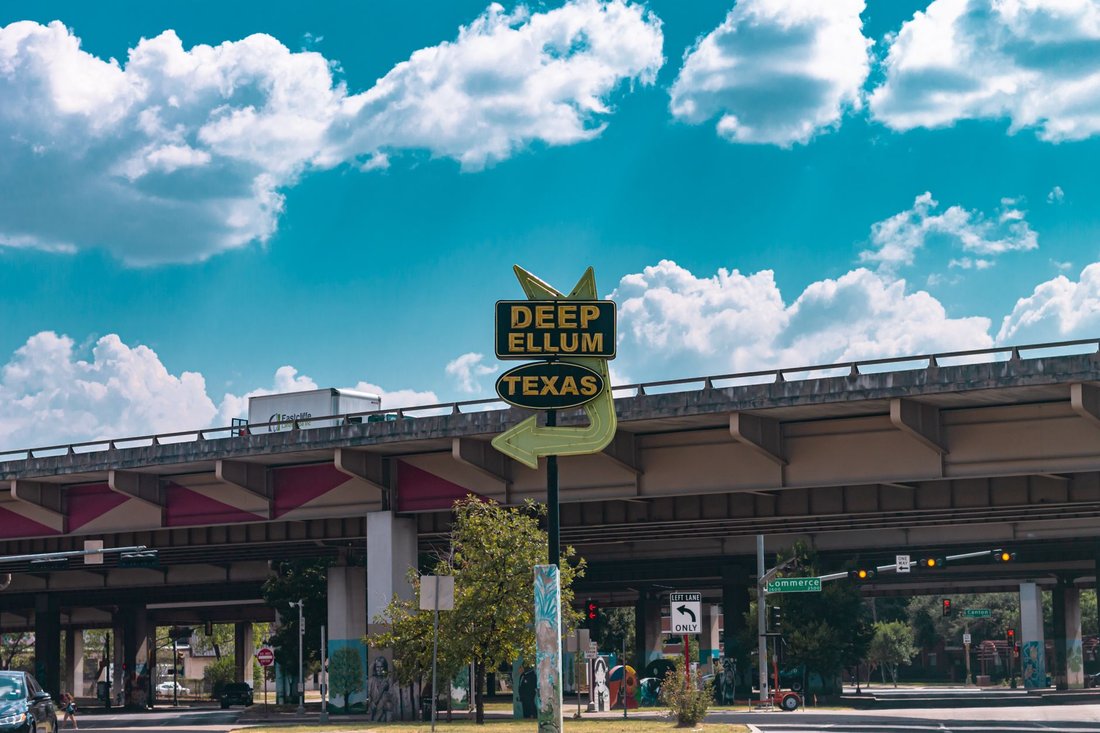
East of downtown, past the freeway that once cut it off from the rest of the city, Deep Ellum has been Dallas's loudest, most tattooed, most painted-over neighborhood for more than a century. It grew up as a blues and jazz corridor, the kind of place tied to the early careers of artists like Blind Lemon Jefferson, and it never fully let go of that identity even as brick warehouses turned into music venues, tattoo parlors, breweries, and taco counters. The three strips that matter are Main, Elm, and Commerce Streets, running roughly parallel a few blocks apart, and almost everything below is reachable on foot between them. Locals do not think of this as a place you drive to, park once, and leave. It is a place you wander through, doubling back down streets you already walked because a shop had its lights on this time or a band you did not expect to hear was warming up early.
Things to Do in Deep Ellum After Dark
Deep Ellum earns its reputation after the sun goes down, when the murals get lit from storefront windows and the sidewalks fill with people moving between shows. Live music is still the backbone of the neighborhood, and it comes in more forms than a single headline venue could cover, from arena-adjacent touring shows to a three-piece band nobody outside Dallas has heard of yet playing to twenty people who will brag about it later.
Big Rooms and Legendary Stages
Trees has been the name most people know first. It is a mid-size room that has hosted acts on their way up and acts who have been playing Dallas for decades, and the room itself, with its balcony overlooking the stage, gives even a sold-out night some breathing space. Go on a weeknight if you want a shot at a smaller, more personal show, and check the calendar before you go since the lineup changes constantly and ranges across genres. The bar in back pours fast even when the floor is packed, which matters more than it sounds like it should once a show runs long.
The Bomb Factory sits at the other end of the size spectrum, a cavernous former industrial building turned into one of the largest indoor concert spaces in the city. Touring acts that would otherwise skip Dallas or play an arena show up here instead, and the room has the exposed-brick, high-ceiling feel that makes a big show still feel like it is happening in Deep Ellum rather than a generic amphitheater. Arrive early if parking nearby matters to you, and expect the surrounding blocks to be thick with people before doors, since a big night here tends to pull in the largest crowd the neighborhood sees on any given weekend.
Dive Bars and Small Rooms
Adair's Saloon is the neighborhood's honest dive bar, a low-ceilinged room with walls covered in decades of scrawled graffiti and old show flyers, a well-worn burger menu, and a stage in the back corner where local country and rock acts play most nights of the week. It is unpretentious in a way that a lot of Deep Ellum has traded for polish elsewhere, and that is exactly the point. Get there early enough to grab a table near the stage, because once a band starts the room fills in fast, and do not skip the burger just because you came for the music. Cash still moves faster than a card here on a packed night, so come prepared.
For smaller and weirder bills, Three Links and Club Dada anchor the DIY end of the scene, with Curtain Club rounding out the trio of rooms where a touring indie band, a local punk lineup, or a hip-hop showcase might be playing on any given night. These rooms are where Deep Ellum's reputation as a launching pad gets earned, since ticket prices are low and the acts booked here are often the ones playing Trees or the Bomb Factory a year or two later. Check show listings the same week you plan to go, since bills here get booked close to the date and a smaller room often sells out fast. Standing close to the stage in any of these three rooms puts you closer to the band than a much bigger venue ever could for the same ticket price.
The Old Guard
A few blocks over, Sons of Hermann Hall is the neighborhood's oldest surviving structure built for a crowd, a wood-floored dance hall with a second-story stage that has hosted everything from touring Americana acts to weekly swing dance nights. It predates most of what people think of as Deep Ellum by decades, and stepping inside feels like stepping into a different era of Dallas nightlife entirely. Wear shoes you can actually dance in if a swing night is on the calendar, since the crowd there takes it seriously, and do not expect the same volume or crowd energy you get a few blocks away at a rock show. It is a different register of the same neighborhood, and worth experiencing at least once.
Murals and Street Art
Deep Ellum's murals are not an afterthought to the nightlife, they are close to the main event for a lot of daytime visitors, and the neighborhood has leaned into that identity through an organized mural program that keeps adding new work to walls, garages, and alley entrances along Elm Street and the blocks around it. Artists rotate through, with styles that swing between photorealistic portraits and loose abstract color fields, and a slow walk down Elm during daylight turns up new work even for people who visited a year earlier. Some walls get painted over within a season, others stick around long enough to become landmarks in their own right, pointed to in directions the way a business name might be used elsewhere.
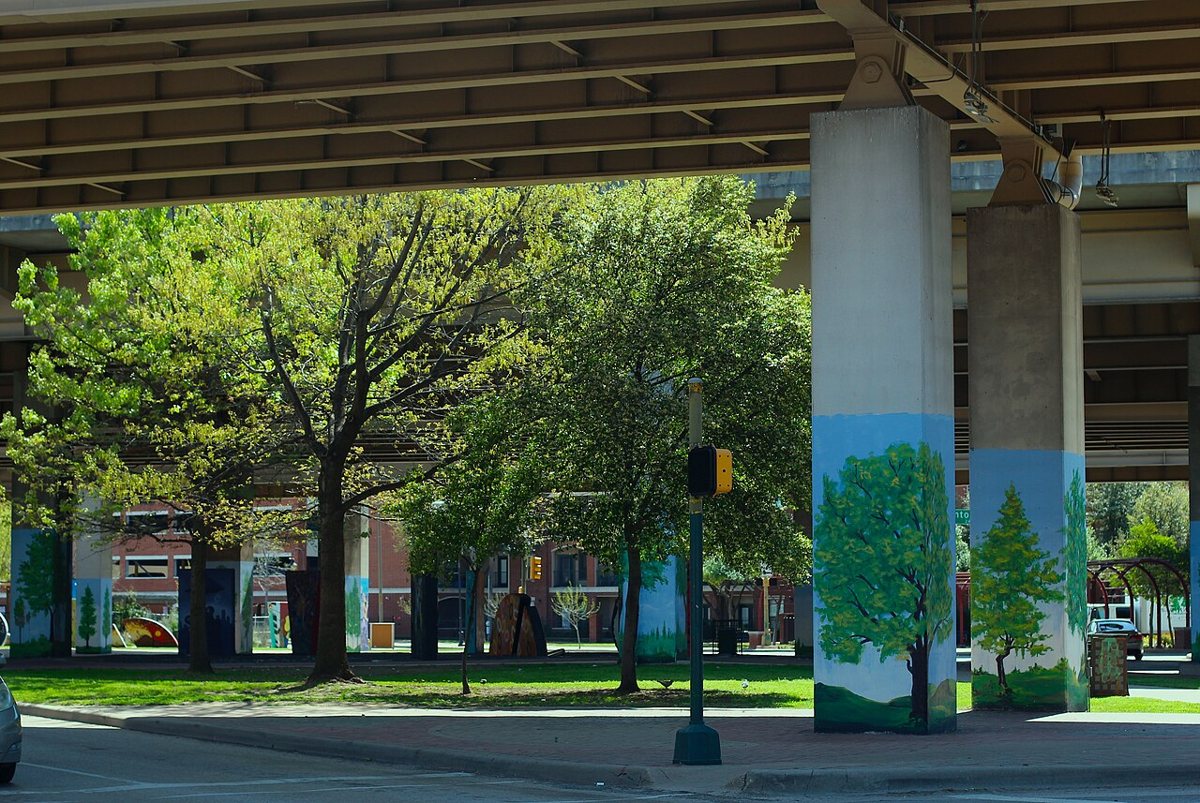

The best way to see the murals is on foot with no particular destination, starting near the Deep Ellum DART station and working east along Elm before cutting over to Main or Commerce. Morning light works best for photos, since the same walls that look great lit up at night can wash out under a midday sun. Bring a phone with a charged battery and expect to stop every block, since even locals who walk this stretch weekly still find something new. A weekday late morning, before lunch crowds and well before the bars fill in, is the quietest window to shoot photos without other people wandering into frame.
Not far from the station, a set of towering bronze figures known as the Traveling Man sculptures mark the entrance to Deep Ellum from the DART side, a set of pieces by artist Brad Oldham depicting a robotic figure built from cast-off parts and instruments, a nod to the neighborhood's musical roots. They have become a favorite photo stop precisely because they sit right where most visitors arrive on foot or by train, and they give the area a landmark that has nothing to do with a bar or a stage. Kids climb on the lower pieces, commuters walk past them without a second glance, and visitors stop for photos at all hours, which sums up Deep Ellum's split personality about as well as anything in the neighborhood.

Food and a Few Great Tex-Mex Detours
Deep Ellum's food scene has grown up alongside the bars, and a night out here does not have to mean skipping dinner for a burger basket. Pecan Lodge is the name most visitors already know, a barbecue counter that built a citywide reputation on brisket and sausage links long enough to draw lines out the door regardless of what else is happening in the neighborhood that night. Go hungry, expect a wait at peak times, and do not be shy about ordering more than you think you need, since the portions and the smoke ring are both worth it. Splitting a plate between two people rarely works out, so plan for leftovers instead.
Outside the smokehouse mold, Monkey King Noodle Company serves handmade noodles and a menu built around Chinese comfort food in a small, unfussy room that feels like a neighborhood secret even though it draws a steady crowd. Pair a night of noodles with a walk past the murals a block over and the evening covers two very different sides of Deep Ellum in under an hour.
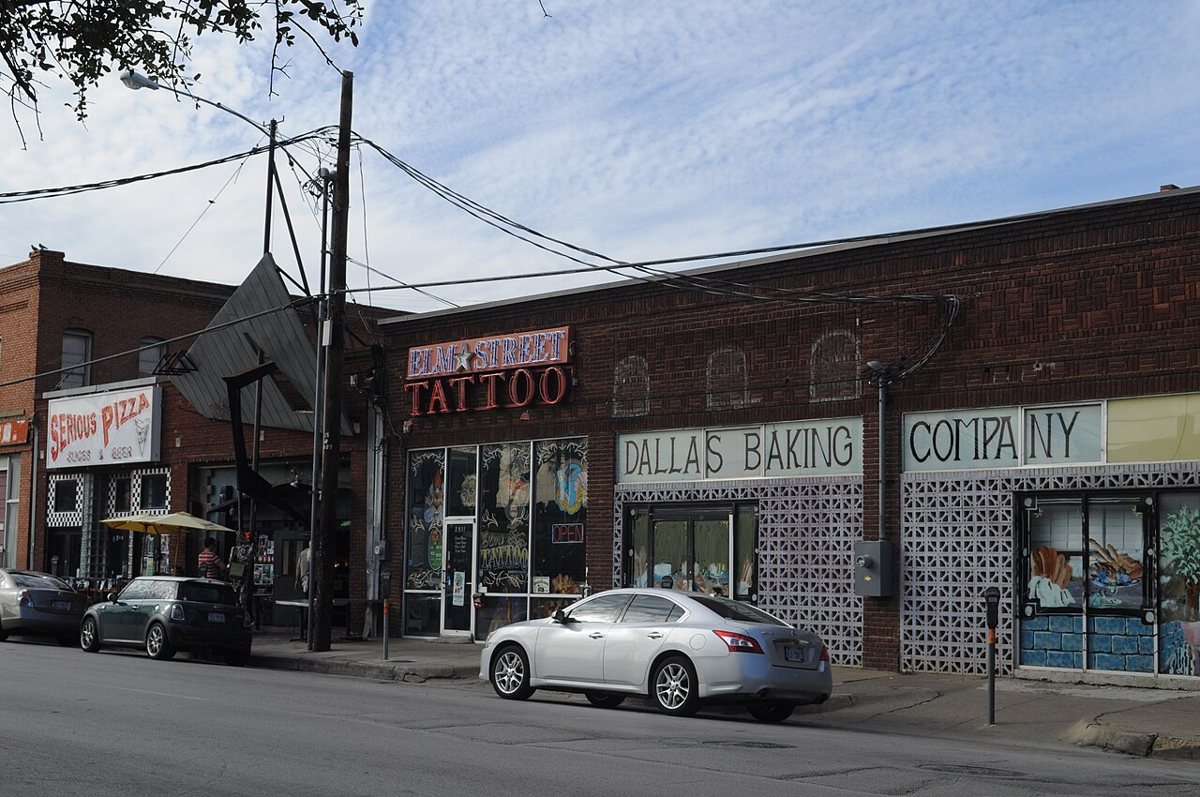
Cane Rosso opened one of its earliest locations in Deep Ellum and still draws a crowd for Neapolitan-style pizza cooked in a wood-fired oven, a good option when a group wants to split several pies and a bottle of wine before heading to a show. Serious Pizza, a few blocks over, takes the opposite approach with slices cut so large they hang off the plate, the kind of late-night food that soaks up a few hours of bar hopping and keeps the night going instead of ending it. If Tex-Mex is what you are after instead, El Come Taco has built a loyal following on tacos that lean into bold, unapologetic flavor, and it makes a solid stop before or after a set at one of the nearby venues. For a deeper look at a great Tex-Mex spot beyond Deep Ellum's borders, the rest of the city has plenty more worth the drive.
Breweries and Bars
Deep Ellum Brewing Company has been part of the neighborhood's identity for years, a production brewery with a taproom that pours its own lineup, including the Dallas Blonde that shows up on tap lists across the city. The taproom itself leans casual, with a patio that fills up on weekend afternoons well before the music crowd arrives, and it works as a starting point for an evening or a full stop on its own. Community Beer Co, another well-known Dallas taproom, runs the same kind of model with its own rotating lineup, and seeking it out gives a good sense of how much the city's beer scene has grown past a single flagship brewery. Both taprooms tend to welcome dogs and groups without reservations, which makes either one an easy first stop before deciding where the rest of the night goes.
Twilite Lounge and Ships Lounge hold down the dive-bar end of Deep Ellum, the kind of rooms with cheap drinks, a jukebox or a pool table, and regulars who have been coming for years. Twilite's patio is a good option on a mild evening, while Ships leans into its reputation as one of the last unpolished corners of the neighborhood. Neither requires a plan, which is part of the appeal after a night of trying to catch a specific band or beat a line somewhere else. Both bars also tend to stay open later than the restaurants around them, so they work well as a last stop rather than a first one.
Daytime Deep Ellum
Deep Ellum by daylight moves at a different pace, and it is worth carving out an afternoon for it separate from a night out. Kettle Art Gallery has been a fixture for showing local and regional artists in a small storefront space, often tied to the same mural culture that covers the surrounding blocks, and dropping in costs nothing and usually turns into a longer conversation with whoever is working that day. Between gallery stops, the neighborhood's vintage shops and tattoo studios are worth a slow walk of their own, even for visitors with no plans to buy anything or get inked, since the storefronts themselves are part of what makes the district feel lived-in rather than staged for visitors. A coffee stop somewhere along Main or Elm rounds out a slow morning nicely before the neighborhood shifts into its evening gear.
Nearby Parks and Landmarks
Deep Ellum does not have its own green space to speak of, but it sits close to some of the best outdoor spots in the city, and pairing a Deep Ellum afternoon with one of them rounds out a full day.
Fair Park and Exposition Park
Fair Park, just southeast of Deep Ellum, holds one of the largest collections of art deco architecture anywhere in the country, built for a world's fair in the 1930s and still in heavy use today as the home of the State Fair of Texas each fall. Even outside fair season, walking the grounds to see the buildings and the fountains costs nothing and gives a sense of Dallas history that the rest of the city has mostly built over. The Cotton Bowl sits inside the same grounds, and even without a game or the fair running, the scale of the place is worth the short trip over.
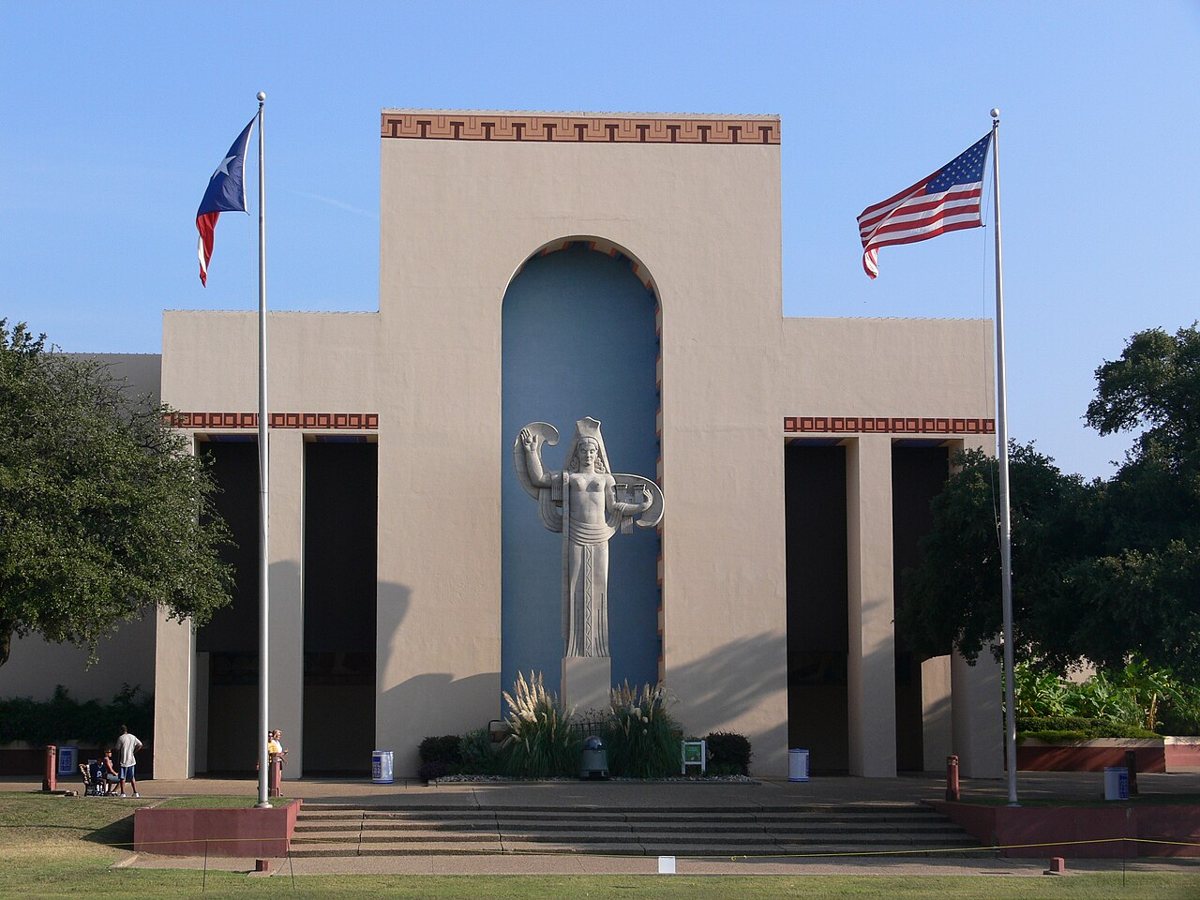

Right next to Fair Park, Exposition Park has grown into a small arts and antique district of its own, with studios and shops occupying old buildings that give it a different texture than Deep Ellum's warehouses a few minutes away. It is a good stop for anyone who wants to extend an art-focused day without doubling back into downtown traffic, and it pairs naturally with a Fair Park visit since the two sit almost on top of each other.
Klyde Warren Park and the Arts District
Closer to downtown, Klyde Warren Park has become among the busiest public spaces in the city, a deck park built over a sunken freeway that connects Uptown to the Dallas Arts District with food trucks, a reading room, and a lawn that fills up on weekends regardless of season. It sits within an easy DART ride or a short rideshare from Deep Ellum, and it makes a good midday reset between a morning of murals and an evening of live music.
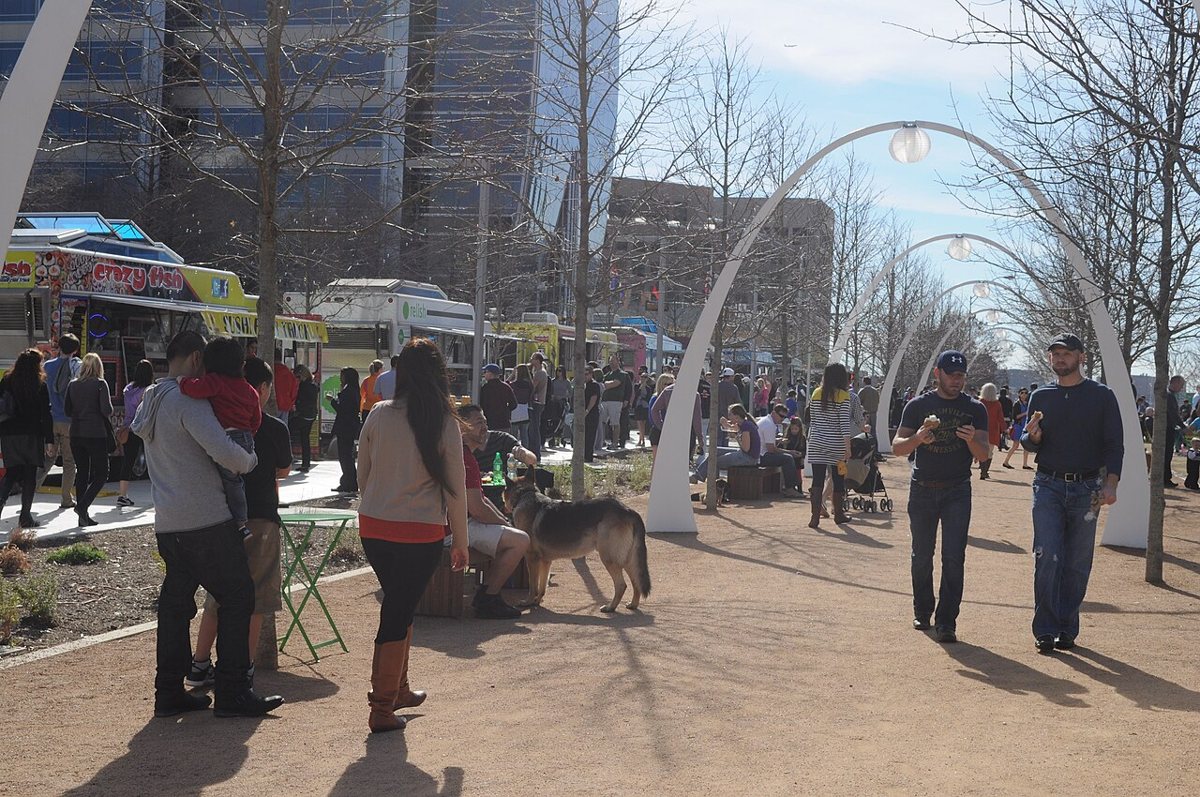

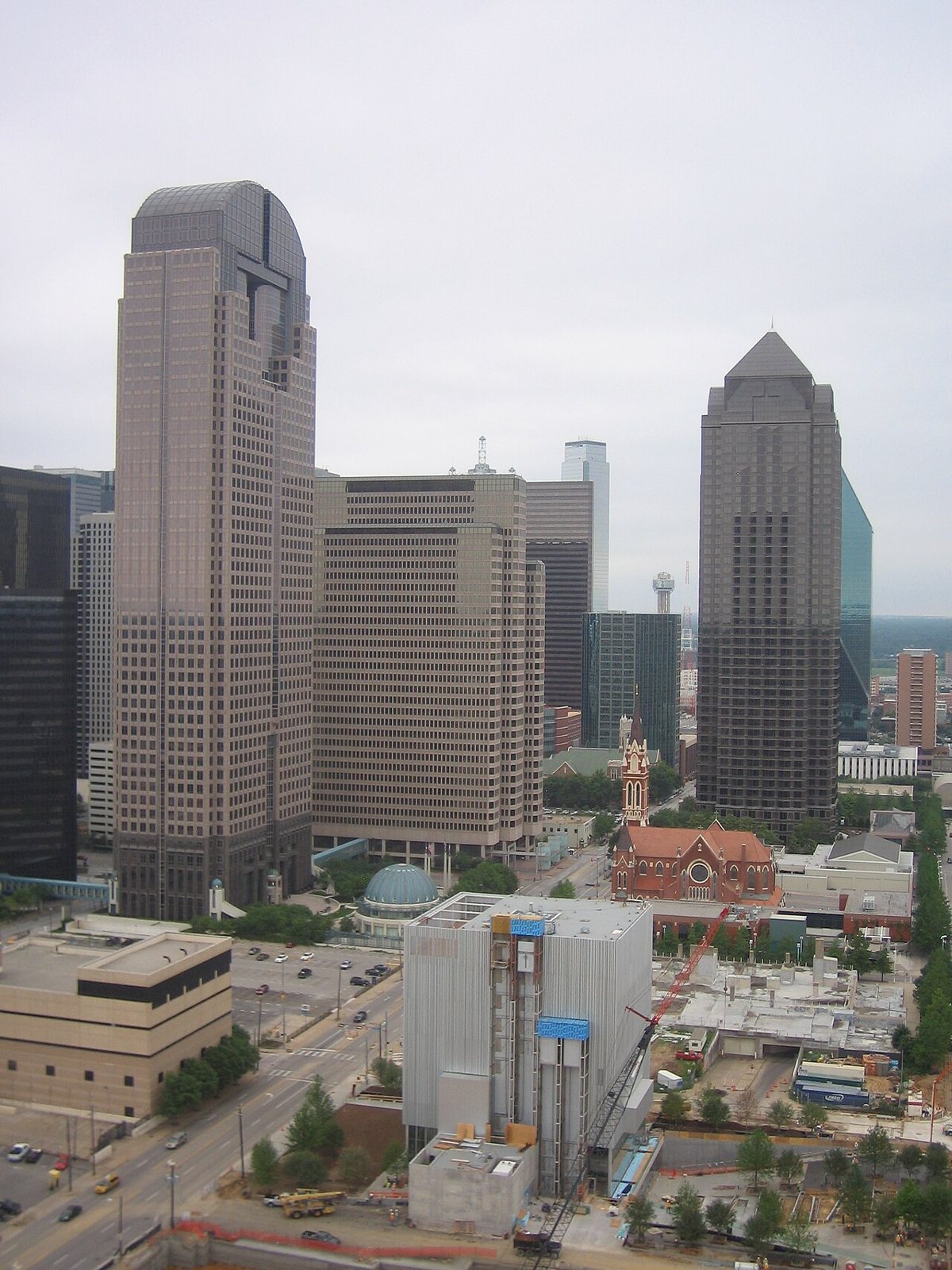
The Dallas Arts District itself, just past Klyde Warren Park, holds the city's major museums and performance halls in a walkable cluster, and combining an afternoon there with a night in Deep Ellum gives visitors a fuller sense of how the city fits together instead of treating either neighborhood as an island. Anyone building out a longer weekend might also cross the river to Bishop Arts, which offers a similar walkable, food-and-shopping-heavy afternoon on the other side of downtown, distinct enough from Deep Ellum that the two rarely feel repetitive back to back.

Getting Around Deep Ellum
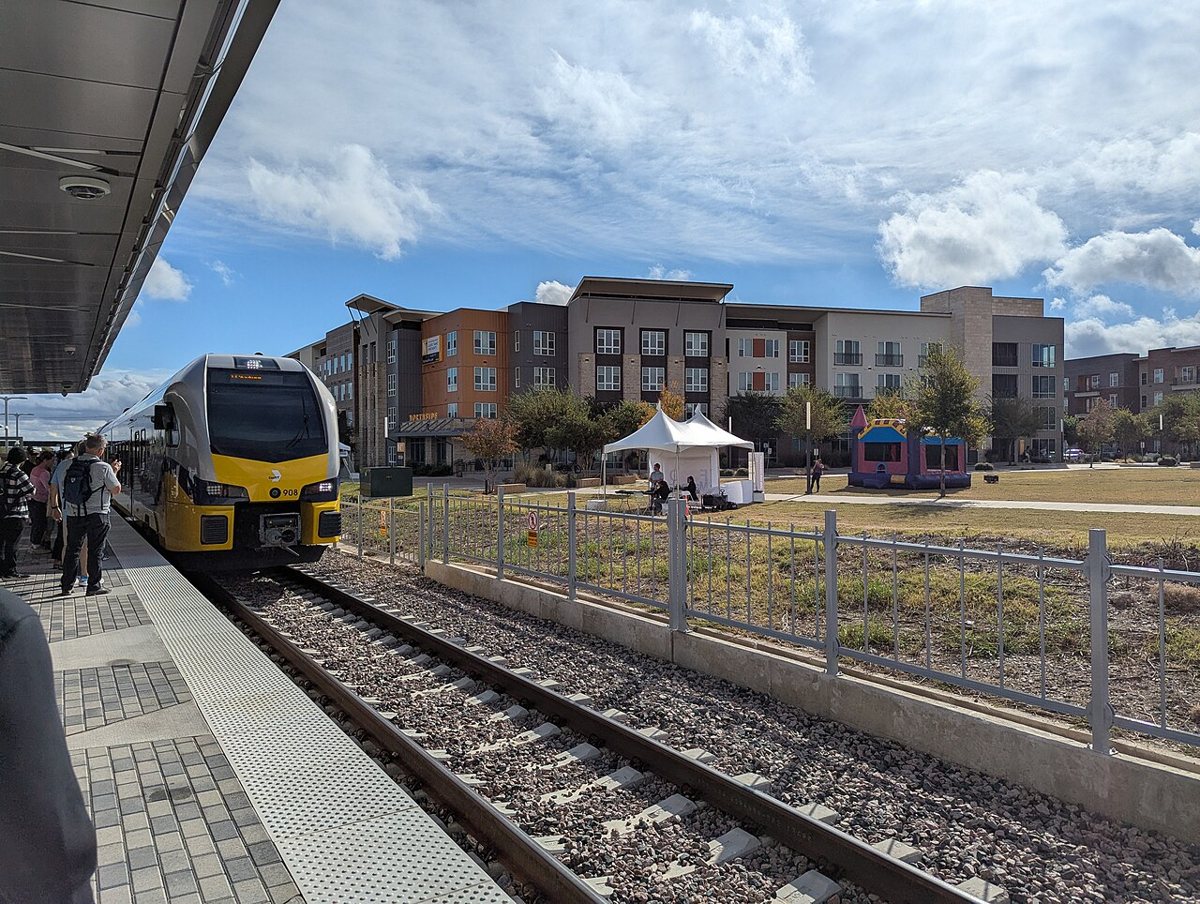
Deep Ellum is one of the few Dallas neighborhoods where skipping a car entirely is realistic. The DART Green Line runs directly into the Deep Ellum station, putting visitors within a short walk of Elm, Main, and Commerce Streets without needing to find parking on a Friday night, which gets tight fast once venues start filling up.

A few practical notes make a Deep Ellum visit go smoother:
- Take the DART Green Line to the Deep Ellum station and walk from there rather than circling for street parking on a weekend night.
- Visit in daylight for murals and galleries, and come back after dark for music and bars, since the neighborhood functions almost like two different places depending on the hour.
- Weeknights mean smaller crowds and shorter waits at the busier bars and restaurants, while Friday and Saturday nights bring out the full, loud version of the neighborhood.
- Wear comfortable shoes, since the best version of a Deep Ellum visit involves walking all three main strips rather than parking near one venue and staying put.
- A surprising amount of the neighborhood costs nothing at all, including the murals, the Traveling Man sculptures, and an afternoon spent gallery-hopping.
Timing matters here more than in most parts of the city. Daytime hours are the right call for murals, galleries, and a quieter walk through the district, since the crowds and the noise both pick up sharply after dark. A lot of what makes Deep Ellum worth the trip costs nothing at all: the murals, the Traveling Man sculptures, the walk itself, and a stop at whichever brewery patio has an open table.
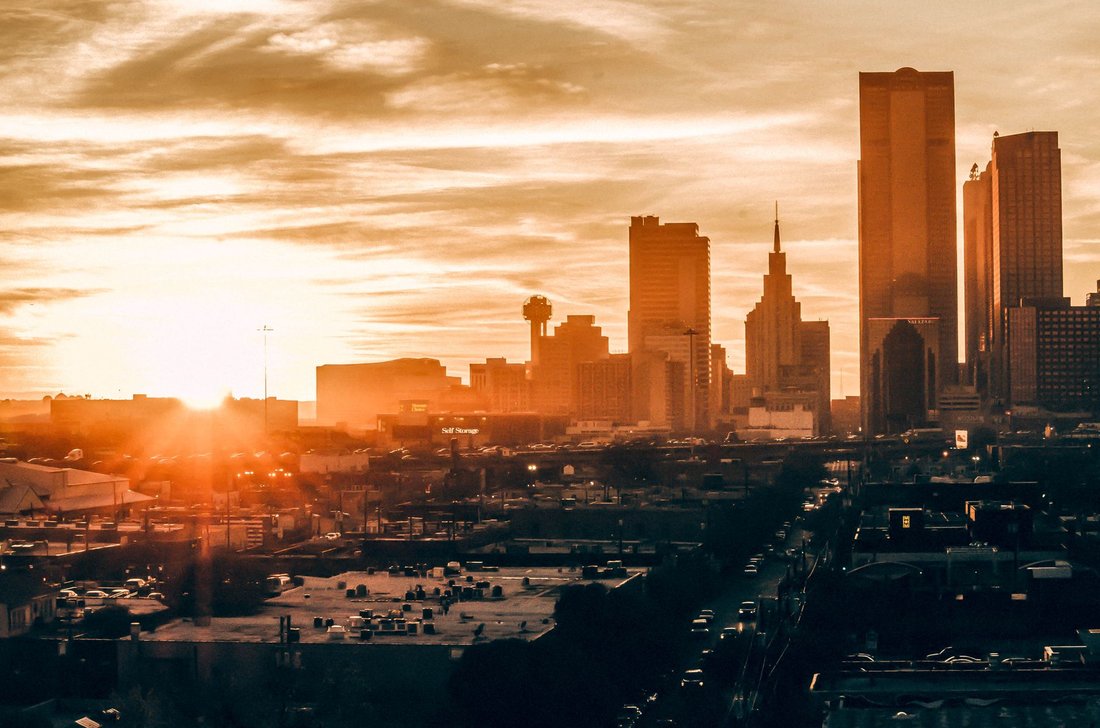
None of this works if you treat Deep Ellum like a checklist. The neighborhood rewards people who wander a block off Elm just to see what is back there, who duck into a dive bar with no band flyer taped to the door, who let a gallery owner talk for ten minutes about a piece that is not even for sale. Dallas gets accused of having no real culture by people who never got past the highway loop downtown, and Deep Ellum has spent more than a hundred years proving them wrong one mural, one dive bar, and one three-chord song at a time. Go once for the list of things to see, go back because the neighborhood does not sit still long enough to ever feel finished.