Best Food Halls in Dallas: A Local's Guide
Dallas didn't invent the food hall, but the city's neighborhoods have turned it into the default answer for a group that can't agree on dinner.
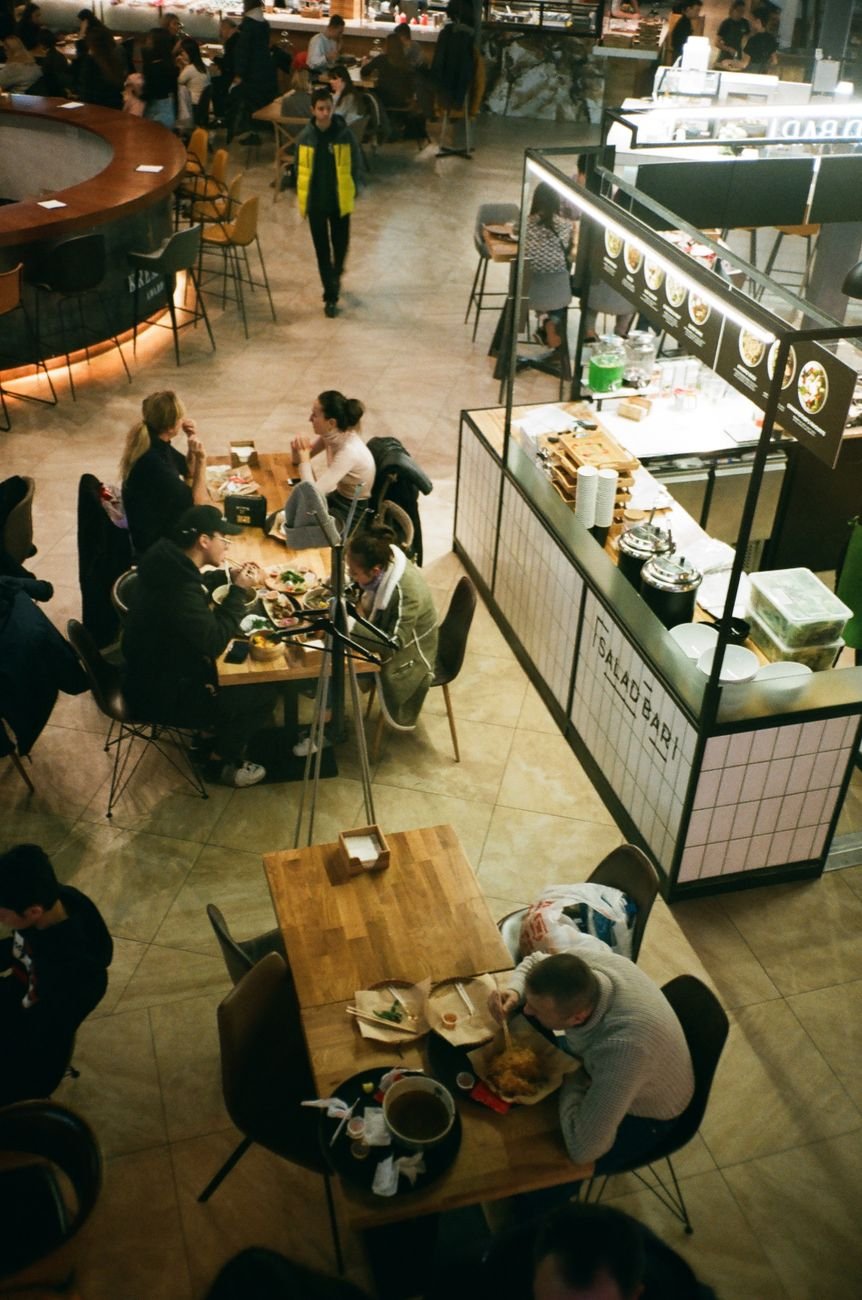
Order first, argue later. That's the rule at any food hall worth the trip, and it's why a party of six can walk in split three ways: someone craving birria, someone craving a smash burger, someone just here for a michelada, and still land at the same communal table twenty minutes later, plates crowding for space. Dallas has taken to the format with the same appetite it brings to everything else, and finding the best food halls in dallas mostly comes down to matching the room to the night you're having.
The instinct makes sense once you look at how the city actually eats. Dallas is spread wide, built around neighborhoods that each claim their own identity, and a single household's dinner plans often involve someone who wants Tex-Mex, someone counting macros, and someone who just wants a beer and a decent burger. A food hall solves that without a group text turning into a negotiation. It also fits how the city's food culture has developed lately: chefs testing concepts before committing to a full buildout, breweries and cocktail programs sharing floor space with kitchens that don't have the overhead for their own dining room. None of it requires a car, either. Several of the rooms worth knowing sit an easy walk from DART rail or the Katy Trail, which matters on a Friday night when nobody wants to be the designated driver.
The Best Food Halls in Dallas Follow the Neighborhoods
Start with geography and the picture gets clearer. Deep Ellum, still the city's creative heartbeat, tends toward rooms with a late-night pulse: craft beer taps, a cocktail counter tucked in back, vendors that stay open past when a normal kitchen would close, all a short walk from the murals and live-music clubs that make an evening in Deep Ellum worth planning around. The Design District, once strictly showrooms and galleries, has folded food halls into its restaurant row as the neighborhood filled in with residential towers. Uptown's version skews toward the lunch crowd and the after-work crowd, an easy stop off the Katy Trail for people working the high-rises nearby. Bishop Arts, true to its walkable, independent-shop character, favors smaller-scale formats that feel more like a tight row of counters than a warehouse-sized hall. None of these rooms are interchangeable, and the neighborhood tells you almost everything about the crowd and the pace before you walk in.
What's Actually on the Counter
The lineup varies room to room, but Dallas food halls tend to follow a pattern shaped by the city's own appetites. Tex-Mex is close to mandatory: expect a counter doing breakfast tacos in the morning and shifting to enchiladas swimming in chili gravy by dinner. Beef shows up everywhere, whether that's a smash burger stall or a barbecue counter working through a brisket that sold out by early afternoon, because Dallas diners are particular about their brisket and vendors know it. A kolache bakery or breakfast counter is common enough to expect. Somewhere in the mix there's usually an Asian noodle or dumpling stall, occasionally a wood-fired pizza operation, and almost always a dessert vendor doing something with soft-serve or paletas. Tie it together with a full bar or a serious beer list, since Dallas food halls treat the drink menu with the same care as the food, and you have the format.
How to Navigate One With a Group
- Send one person to hold the table while everyone else scouts the counters; a hall that seats a hundred and fifty fills fast at 7 p.m. on a Friday.
- Order in waves instead of trying to time every dish to arrive together. Food halls run on separate kitchens with separate ticket times, not one expo line.
- Ask about the bar setup before you sit. Some rooms run drinks separately from the food vendors, and you'll want to know before someone's michelada shows up twenty minutes behind the tacos.
- Bring some cash for the smaller counters even in a city this plugged in. Not every stall inside a hall runs a full point-of-sale setup.
When to Go
Weekday lunch skews toward the office crowd grabbing something fast between meetings, which means quicker service but a narrower window before counters sell out of the day's specials. Weeknight dinner is where the format shows its best side: low pressure, no reservation, room for four different appetites to order four different things. Weekends bring the crowds and the wait, especially after dark in Deep Ellum, when a food hall doubles as a staging ground before people scatter to the music venues. Sunday afternoon tends to be the quiet, family-friendly window, worth knowing if you're bringing kids or just don't want to shout over a band warming up next door.
The mistake is judging a food hall the way you'd judge a restaurant, waiting for one kitchen to blow you away before deciding the trip was worth it. That's not the job it's doing. A good one earns its keep by settling the argument nobody wanted to have in the first place, letting the person who wants queso and the person who wants ramen eat fifteen feet apart and still leave together. Judge it on how well it does that, and Dallas has more rooms getting it right than the city gets credit for.